Pigeons on AC unit: quick answer
Pigeons on AC unit brackets keep coming back because the gap between the unit and the wall is dry, shaded and safe from predators. To stop them, first check that no eggs or chicks are present, then clean the area, close the gap and cover the space with a bird net or spikes that leave the fan and coil airflow clear.
Few things are as annoying as waking up to cooing, flapping and scratching right outside your bedroom window. Pigeons on AC unit stands are one of the most common bird complaints in Indian apartments, especially in buildings where every flat has a split AC fixed to an outside wall. So the problem rarely belongs to one flat alone.
This guide explains why pigeons pick the outdoor unit, what damage they can cause, what the law expects from you when a nest is already there, and which humane fixes work best. It also covers a point most guides skip: how to keep pigeons out without choking the airflow your AC needs to cool properly.
Why do pigeons choose the AC outdoor unit?
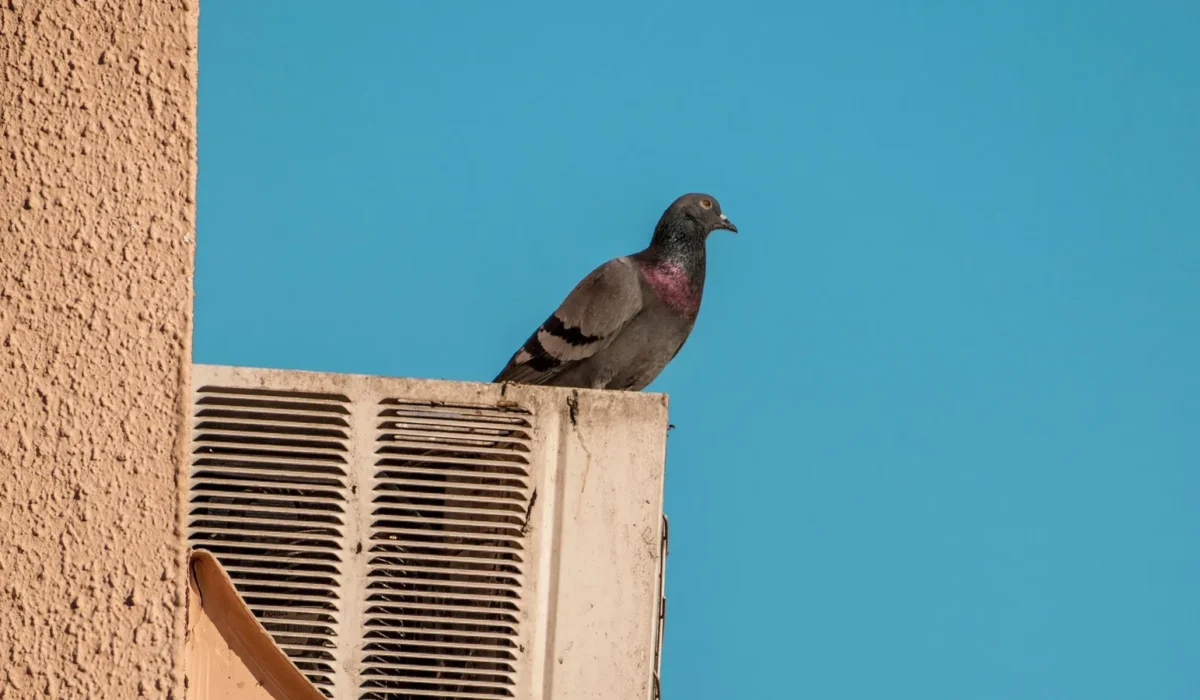
In the wild, rock pigeons nest on sheltered cliff ledges. In cities, ledges, sunshades and AC brackets offer a similar flat, covered surface, so the birds use buildings instead. According to Utah State University Extension, rock pigeons nest on flat, covered surfaces such as sheltered ledges and building surfaces, and they can also infest ventilation ducts and exhaust units.
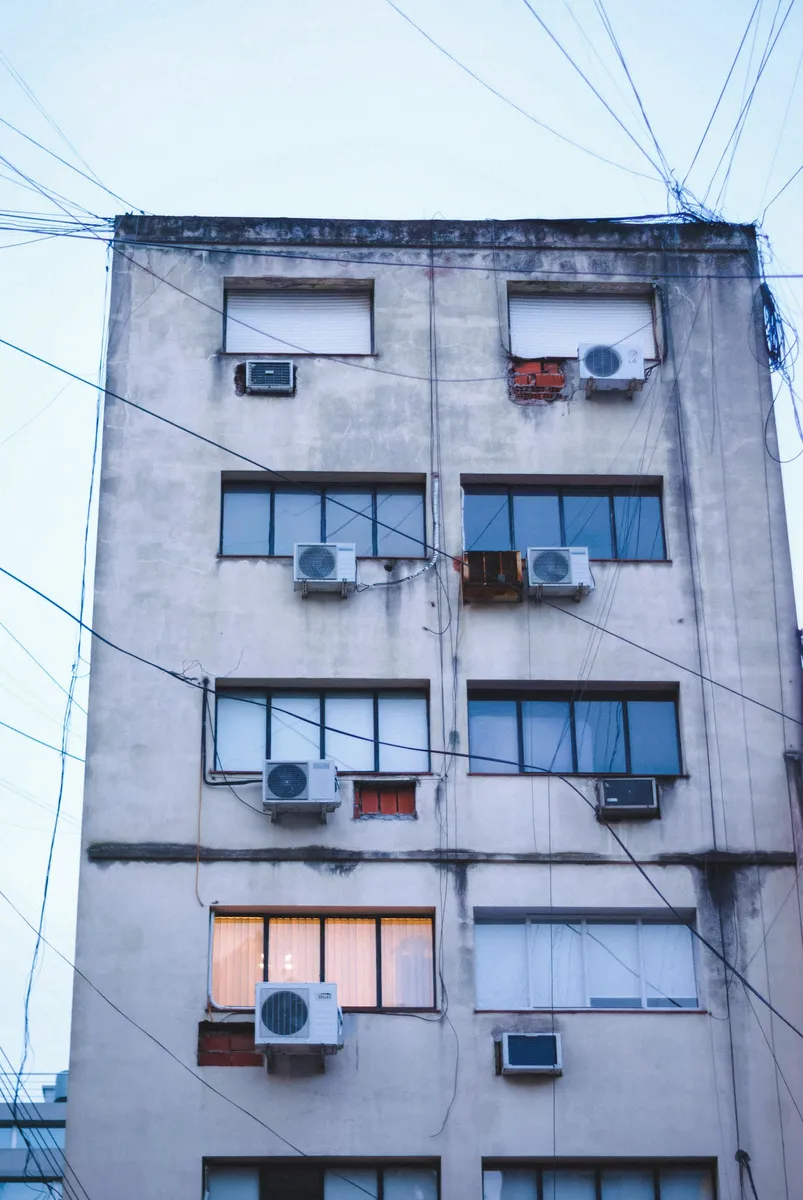
The space between the unit and the wall, or between the top of the unit and the sunshade above it, ticks every box. It is shaded, it stays dry during the monsoon, and it is hard for cats and crows to reach.
Food matters too. Pigeons eat mainly grain and seeds, but they also feed on scraps and on food people leave out on purpose. Therefore, if neighbours feed birds or leave grain on balconies, your AC bracket becomes a convenient rest stop close to a reliable meal.
What problems do pigeons on an AC unit cause?
Some households tolerate a pair of birds for months. However, the problems tend to grow once a pair starts nesting, because pigeons breed all year. The University of Missouri Extension notes that breeding peaks in spring and autumn, the female lays one or two eggs, the eggs hatch in about 18 days and the young leave the nest at four to six weeks. Moreover, a new clutch is often laid before the first young have left.
- Noise: cooing, wing beats and scratching on the metal casing, often early in the morning.
- Droppings and nest debris: twigs and droppings collect around the fan guard and on the window sill below.
- Corrosion and stains: the same extension guide describes pigeon droppings as corrosive to buildings, so the bracket and wall can stain or rust over time.
- Pests: the Missouri guide notes that pigeons can carry mites, fleas and ticks.
- Blocked airflow: a thick nest or a pile of debris near the coil can reduce the air the unit moves, which matters in peak summer.
Health is the other concern. Dried droppings that build up over several years can harbour the fungus that causes histoplasmosis, a respiratory disease. For a fuller explanation, read our article on the health hazards of pigeon droppings, and speak to a doctor if anyone at home has breathing symptoms.
Can you remove a pigeon nest from your AC unit?
This is where many people act too quickly. If the nest holds eggs or chicks, wait until the young have left before you clean and seal the area. In India, the Prevention of Cruelty to Animals Act, 1960 exists to prevent unnecessary pain or suffering to animals, so throwing out live chicks or harming adult birds is not a lawful or humane option.
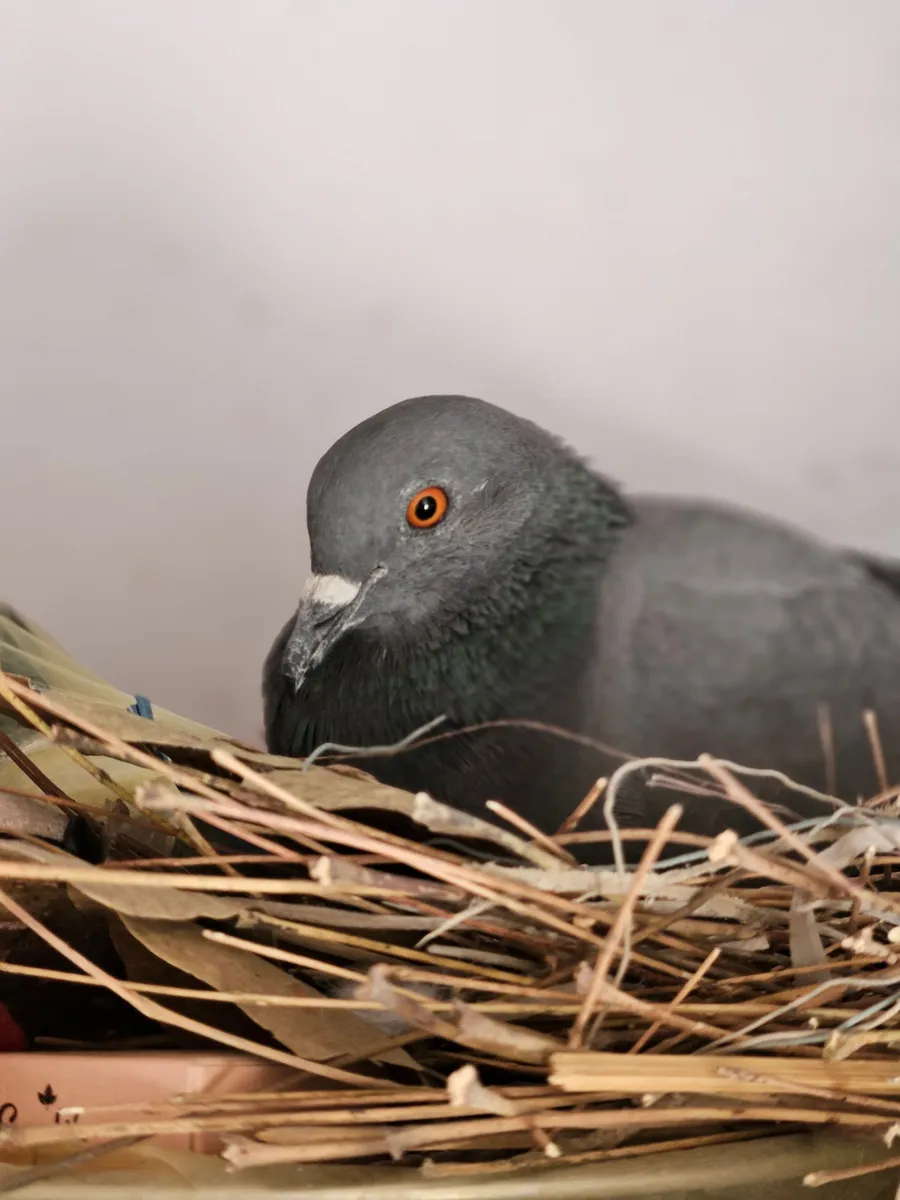
Also check which bird you are dealing with. Sparrows, mynas and other wild birds sometimes use the same gap, and the rules for wild birds can differ from those for feral pigeons. When you are unsure about the species or the rules, contact your state forest or wildlife department, or ask a professional for advice before you touch the nest.
Meanwhile, you can make the area less comfortable without disturbing an active nest. For example, stop any feeding nearby and keep the balcony free of grain and food waste. Then plan the permanent fix for the day the nest is empty.
How to stop pigeons on AC unit stands: humane options compared
Your best fix depends on where the unit sits and how the birds use it. The University of Missouri Extension guide on nuisance pigeons recommends exclusion as the most reliable approach and treats repellents and scare devices as supporting tools. This table compares the common options.
| Method | How it works | Best for | Limitations |
|---|---|---|---|
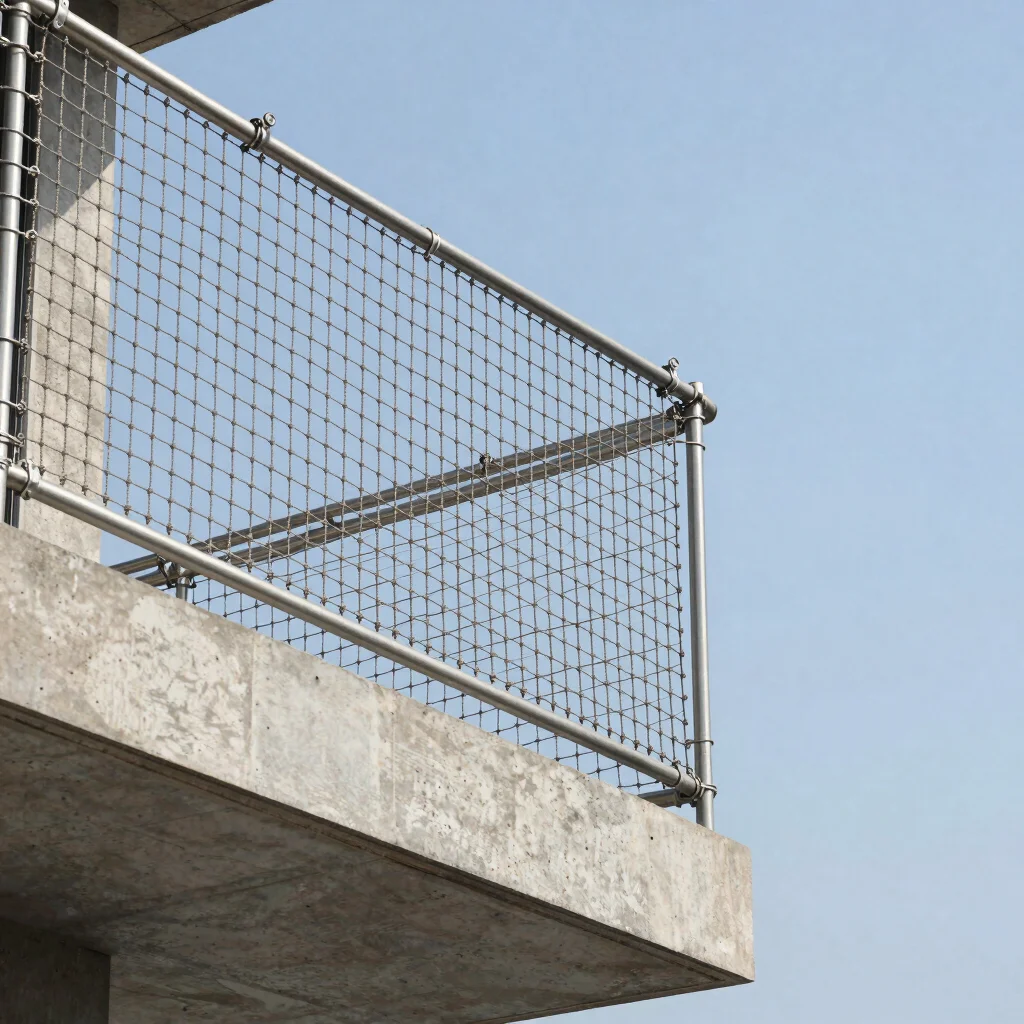
| Bird net around the unit | Encloses the unit and bracket so birds cannot land or nest behind it | Units on balconies, ducts or sunshades with nearby fixing points | Must leave enough open mesh for airflow; needs proper fixing |
| Bird spikes on top | Blunt plastic or steel pins stop birds from landing on the top panel | Units where birds only perch on the top surface | Do not block a gap behind the unit; nest debris can collect between spikes |
| Closing the wall gap | Mesh or a solid panel closes the space between the unit and the wall | Units mounted close to the wall with one obvious nesting gap | Panel must not cover the coil or the fan outlet |
| Sloped cover over the unit | A cover set at 45 degrees or steeper removes a flat landing surface | Units under a sunshade where birds sit on top | Pigeons may still roost on some angled ledges |
| Reflective tape and scare devices | Movement and glare unsettle birds for a while | A short-term support to other methods | The Missouri guide suggests using them together with exclusion, not alone |
| Removing food sources | Stops feeding that keeps pigeons in the area | Every home and building | Works slowly and needs neighbours to cooperate |
What about gels, tape and scare devices?
Sticky gels and pastes also exist. Still, the Missouri guide warns that pigeons simply move a short distance to any untreated surface, and the paste loses effect faster in dusty areas. That is why gels rarely solve a pigeon problem on AC units in dusty Indian summers.
Avoid poisons, glue traps and anything that harms the birds. They are cruel, they create new problems such as dead birds stuck in a duct, and they do not stop the next pair from moving in.
Does a bird net around the AC outdoor unit affect cooling?
It should not, as long as the net is planned around the airflow. The outdoor unit pulls air through its coil and pushes it out through the fan, so anything that blocks either side makes the unit work harder.
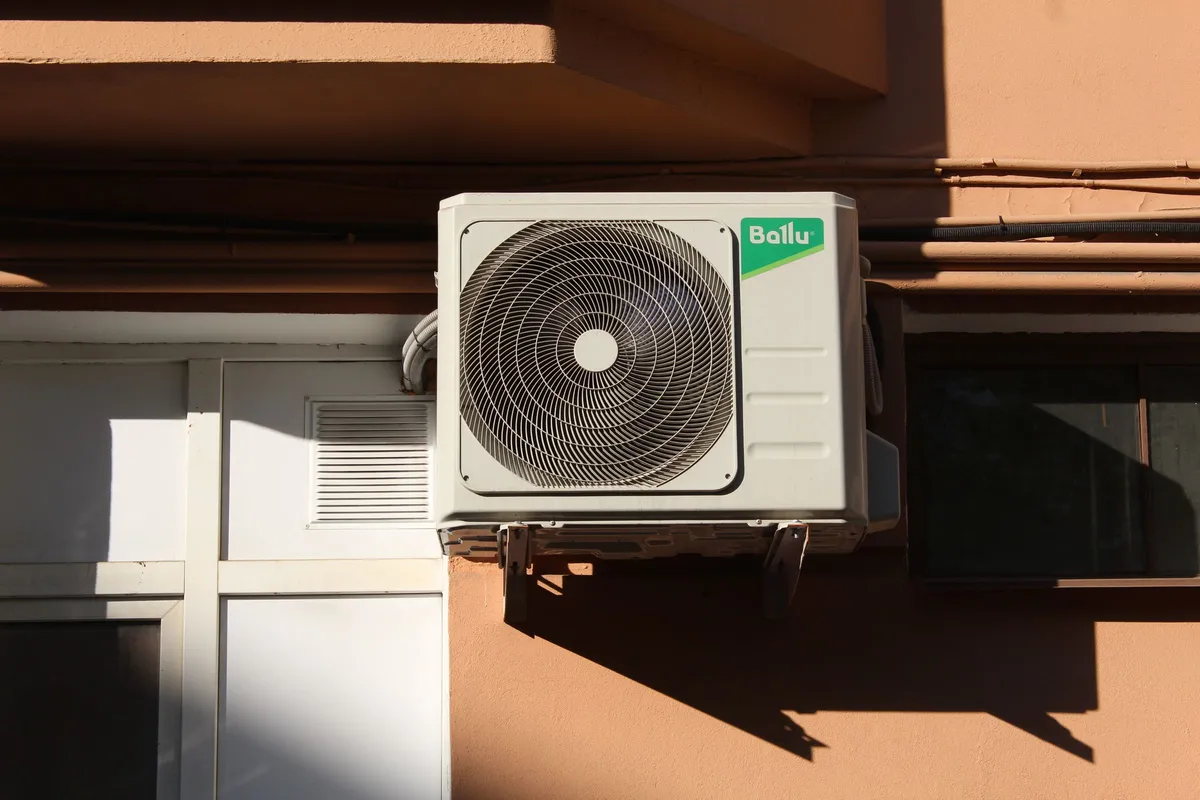
The US Department of Energy advises keeping debris away from the outdoor coil and trimming plants back at least 2 feet (about 0.6 m) so air can flow. It also notes that neglected units lose performance while their energy use rises. Because of this, a good installation keeps the net away from the fan grille and the coil instead of wrapping it tightly around the casing.
Practical checks before you install anything
- Read the clearance section of your AC installation manual, since space requirements differ between brands and models.
- Choose an open mesh that stops pigeons but lets air pass easily; our guide on how to choose the right mesh gauge explains the options.
- Leave the service valves and pipe connections reachable, so the AC technician can still work on the unit.
- Ask your AC service provider to confirm that the planned cover will not restrict airflow.
How to clean up after pigeons on an AC unit safely
Once the nest is empty, clean the area before you close it off. Otherwise, the smell and the old nest material can attract the birds back. Keep the job small and careful, and leave large build-ups to professionals.
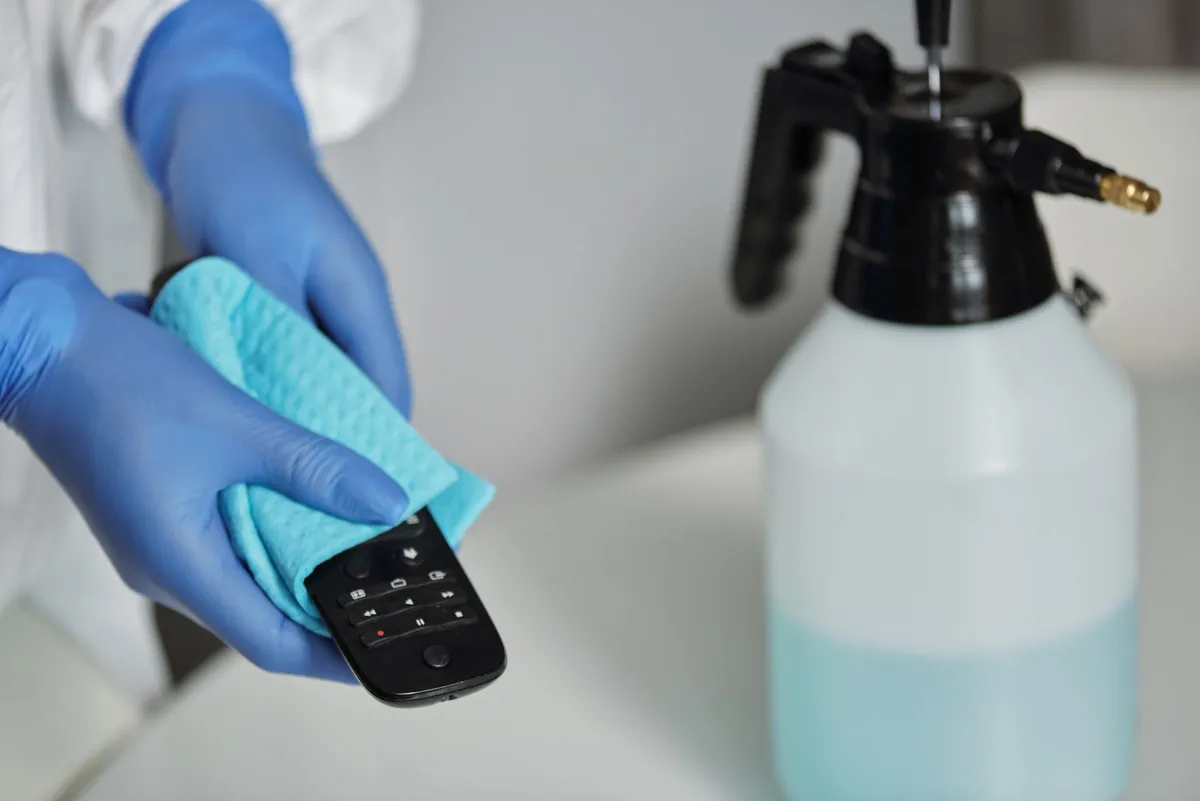
- Switch off the AC at the mains before you clean near the unit.
- Wear disposable gloves and a well-fitting mask; the CDC mentions N95 masks as protection for workers exposed to dusty material.
- Avoid dry sweeping or brushing, because it can stir dust into the air.
- Bag the old nest and droppings, wipe the surfaces, then wash your hands thoroughly.
- Never lean out of a window or climb onto a ledge to reach the unit.
The CDC says that large amounts of droppings should be removed by professional cleaning companies. It also lists people with weakened immune systems, adults over 55 and infants as being at higher risk of histoplasmosis. So anyone in those groups should stay away from the clean-up.
A step-by-step plan for keeping pigeons off your AC unit
Put the pieces together in this order, and you will avoid the most common mistake of sealing birds or eggs inside a net.
- Check the nest. Use a torch to see whether eggs or chicks are present. If they are, wait.
- Remove food sources. Ask the household and neighbours to stop feeding birds near the windows.
- Clean the area. Follow the safety steps above once the nest is empty.
- Close the gaps. Install a bird net, spikes or a gap panel, depending on how the birds use the unit.
- Inspect regularly. Check the net and spikes every few months, and remove leaves or debris that collect behind the unit.
If pigeons are using the whole balcony rather than just the AC, a full balcony net usually works better than a small enclosure. Our comparison of humane ways to get rid of pigeons from a balcony walks through those options.
When should you call a professional installer?
Most outdoor units hang outside the building line, often several floors up. Fixing a net, spikes or a cover there is work at height, and it is not a DIY job. Instead, use trained installers who use harnesses and proper safety equipment, and who can fix anchors into the wall without damaging the AC pipes.
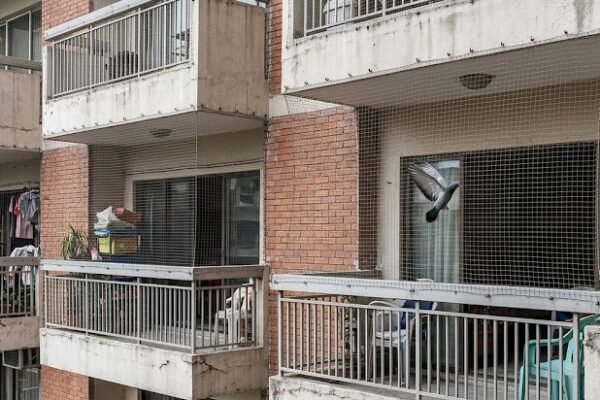
A professional is also useful when the problem covers several flats. For example, a residents’ welfare association can plan nets for a whole duct or facade at once, so the birds do not simply move to the next unit.
Bird Nets Zirakpur installs AC outdoor unit nets along with balcony and duct nets in Zirakpur and the Tricity area, if you need help locally.
Key takeaways
- Pigeons on AC units are after shelter and nearby food, so remove both to break the habit.
- Never remove eggs or chicks; wait until the nest is empty before you clean and seal the area.
- Exclusion with a bird net, spikes or a gap panel works better than gels or scare devices alone.
- Keep the fan grille and coil clear, because blocked airflow makes the AC work harder.
- Leave work on high floors and large droppings clean-ups to trained professionals.
Pigeons on AC unit: FAQs
Pigeons return to sites that offer shelter, safety and food nearby. The gap behind an outdoor unit is dry and hard for predators to reach, so the same birds, or new ones, keep using it until you close the space.
Only remove an empty nest. If there are eggs or chicks, wait until the young have left. Then wear gloves and a mask, avoid stirring up dust, and ask professionals to handle large build-ups of droppings.
A properly planned net should not, because it stays clear of the fan outlet and the coil. Check the clearances in your AC manual and ask your AC technician to confirm the layout before installation.
They can help for a while, but pigeons tend to move to nearby untreated surfaces, and the paste loses effect faster in dusty conditions. Physical exclusion, such as netting or spikes, is usually more reliable.
Only if the unit is easy to reach from inside a balcony at a safe height. For units outside windows or on higher floors, hire trained installers with proper safety gear.
Sources
- University of Missouri Extension, “Controlling Nuisance Pigeons” (G9448, reviewed October 2022)
- Utah State University Extension, “Rock Pigeon” (accessed October 2026)
- Centers for Disease Control and Prevention, “Reducing Risk for Histoplasmosis” (reviewed 24 April 2024)
- US Department of Energy, Energy Saver, “Maintaining Your Air Conditioner” (accessed October 2026)
- India Code, “The Prevention of Cruelty to Animals Act, 1960” (Act 59 of 1960)