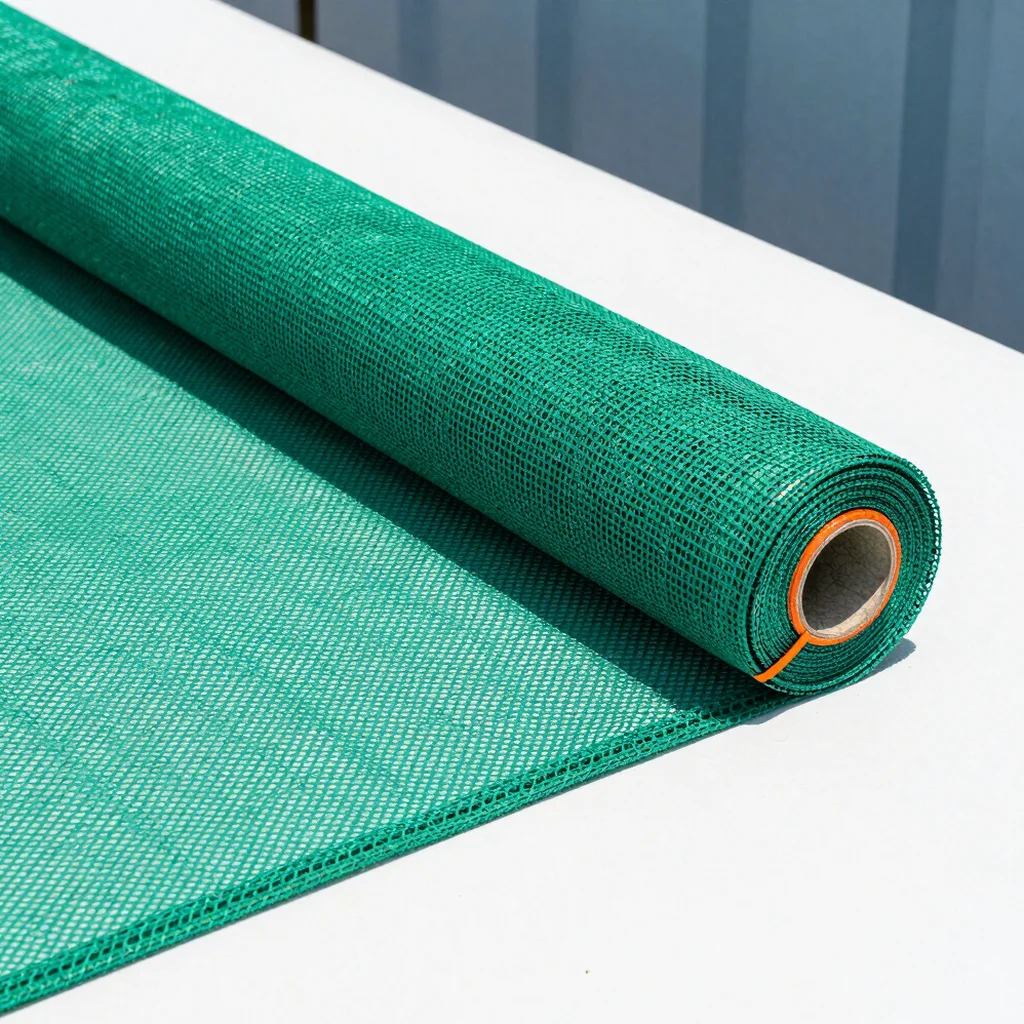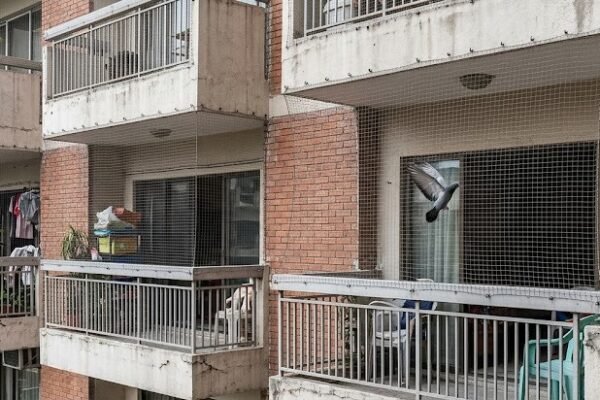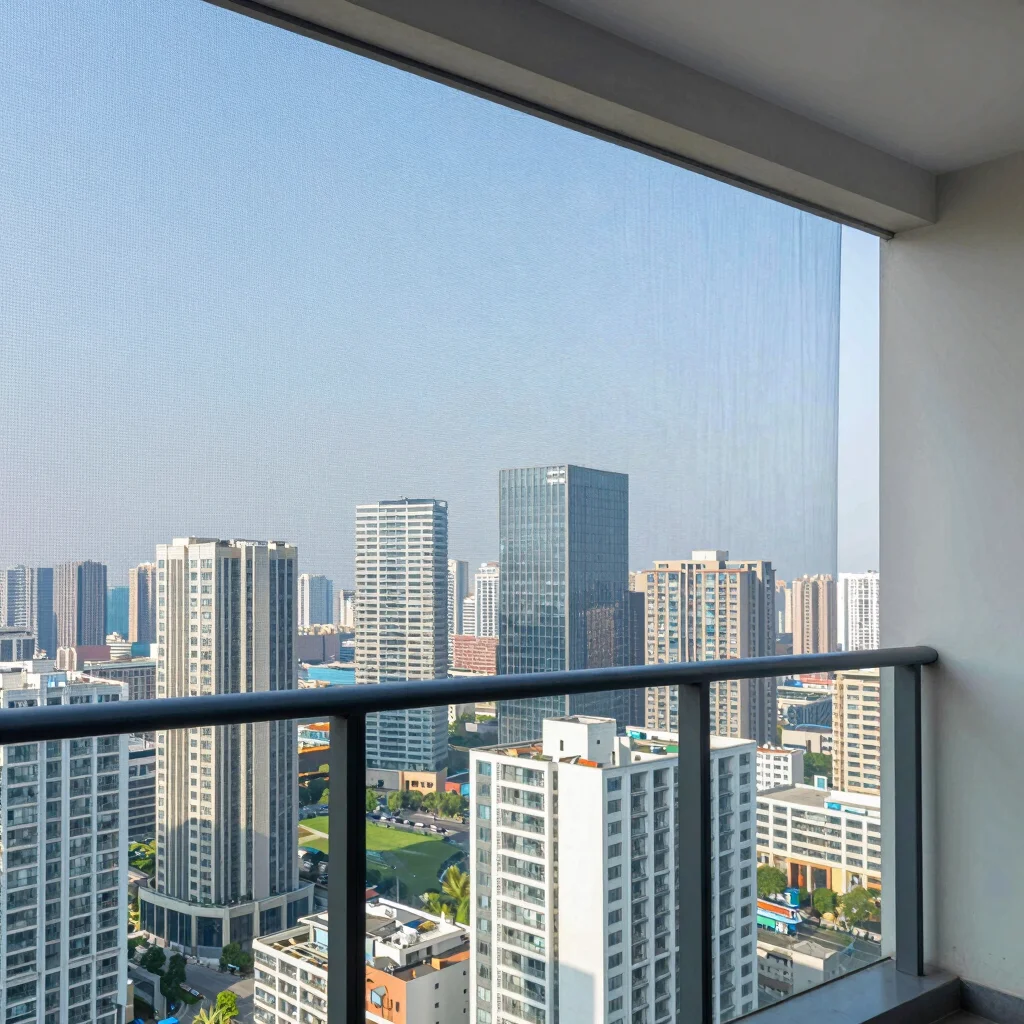
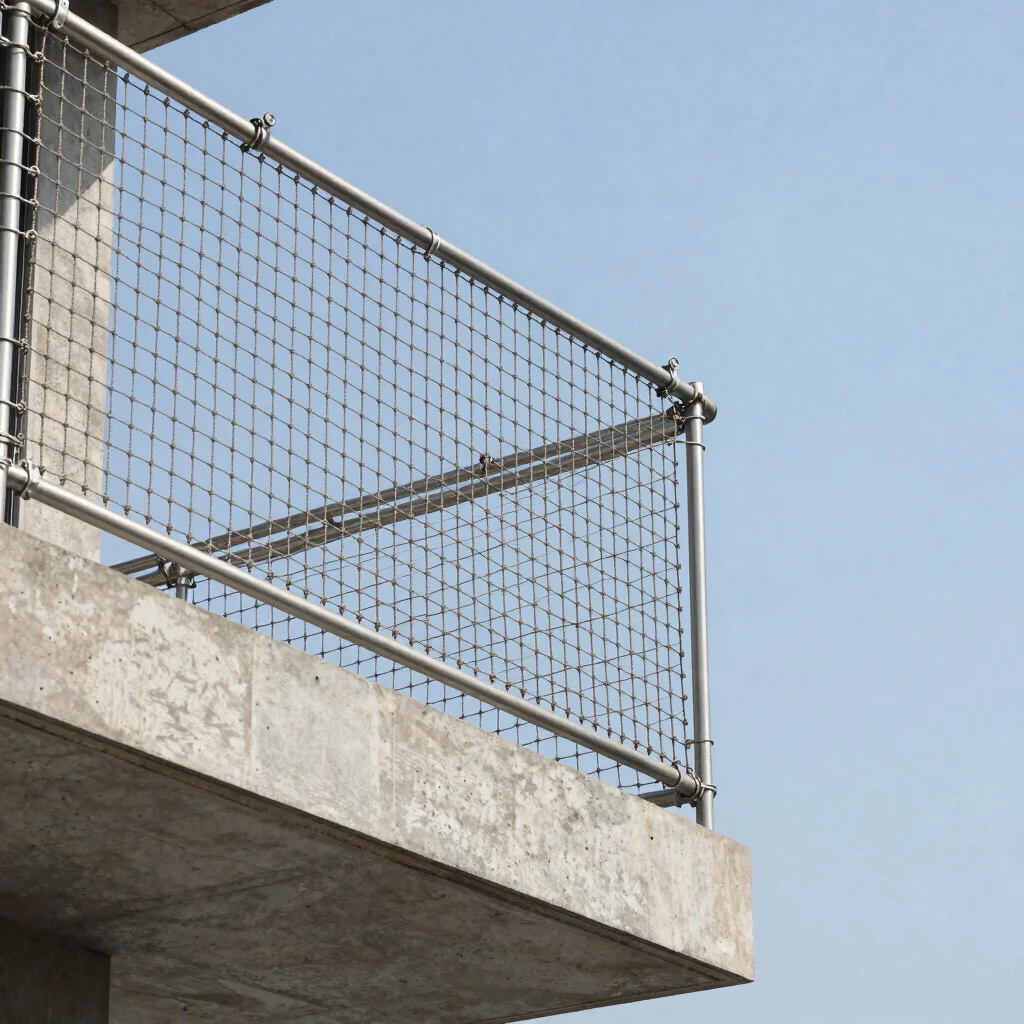
High-rise apartment living comes with a specific safety concern that ground-floor homes don’t have to think about as much: the real risk of a child, pet, or dropped object falling from a balcony many floors up. Balcony safety nets address this directly, providing a strong physical barrier that’s separate in purpose from standard bird netting, even though the materials can look similar at first glance.
Safety Nets vs Bird Nets: An Important Distinction
While both use netting, safety nets are engineered and rated specifically to bear significant weight and impact force, unlike standard bird netting which is designed only to block small birds from landing or nesting. Using bird-grade netting for child or pet safety purposes is not appropriate, since it isn’t rated to hold weight in the way a proper safety net is.
Why High-Rise Apartments Need Dedicated Safety Nets
Multi-story apartment balconies, especially those with wide gaps in railings or lower-than-ideal railing heights, present a genuine fall risk for young children who might climb or squeeze through, as well as pets that can jump or slip. A properly rated safety net closes this gap completely while still allowing full use of the balcony for daily activities.
What Makes a Net Suitable for Safety Use
- Heavy-duty, weight-rated mesh specifically designed for fall protection, not standard bird netting
- Weatherproof mounting hardware rated for exterior use and repeated stress
- Correct mesh size small enough to prevent a child’s head or limbs from passing through
- Professional installation with secure anchor points rated for the required load
Installation Process for High-Rise Safety Nets
Installing a safety net on an upper-floor balcony requires more careful anchor point planning than standard bird netting, since the net needs to reliably bear weight rather than just block birds. This typically involves heavier-duty hooks or a frame system fixed securely into the structural railing or wall, followed by careful tensioning to eliminate any slack that could reduce its effectiveness.
Choosing the Right Mesh Size for Child Safety
A general rule for child safety netting is that the mesh gaps should be small enough that a child cannot fit their head through, which is typically a much finer gauge than standard bird netting. This is worth specifically confirming with your installer, since not all “safety-labeled” nets on the market meet the same gap-size standard.
Weatherproofing Considerations
Since safety nets are permanent fixtures exposed to sun, rain, and wind year-round, the mounting hardware needs to resist corrosion and the netting material itself needs strong UV resistance to avoid weakening over years of exposure. Stainless steel hardware and UV-stabilized HDPE mesh are generally recommended over cheaper alternatives for this reason.
Maintenance for Safety Nets
Given their critical safety function, safety nets warrant a more thorough periodic check than standard bird netting – looking specifically for any slack, worn anchor points, or visible wear in the mesh itself. An annual inspection, or immediately after any unusually severe storm, is a reasonable standard to follow.
Common Mistakes to Avoid
Using standard bird netting in place of a properly rated safety net, allowing any slack in the installation that could reduce fall protection, and skipping professional installation in favor of a DIY approach are the most common and most risky mistakes homeowners make with balcony safety netting specifically.
Frequently Asked Questions
Is bird netting strong enough for child safety purposes?
No, standard bird netting is not rated for weight-bearing safety use and should not be substituted for a proper safety net.
What mesh size is recommended for child safety nets?
A fine enough gauge to prevent a child’s head from passing through is standard practice; your installer can confirm the exact specification used.
How is a safety net different to install compared to a bird net?
Safety nets require more robust anchor points and hardware rated for weight-bearing use, along with careful tensioning to eliminate slack.
Do safety nets need more frequent maintenance than bird nets?
Given their critical function, an annual inspection is recommended, along with checks after any particularly severe storm.
Can safety nets be installed on any balcony railing type?
Most railing types can accommodate a safety net, though the exact anchoring method needs to be assessed for your specific railing during a site visit.
Getting a Safety Net Installed
If you have young children, pets, or simply want added peace of mind on a high-rise balcony, a proper site visit can confirm the right specification and installation approach for your railing type. You can reach out through our contact page to arrange a free assessment.
Regulatory and Society Guidelines to Check
Some housing societies have their own guidelines around external balcony modifications, even for safety purposes, so it’s worth checking with your RWA before installation, particularly in larger gated communities. In most cases, safety netting is viewed favorably since it directly reduces liability risk for the society as well as the individual homeowner.
Load Ratings and What They Actually Mean
A safety net’s load rating typically refers to the force it can withstand before failing, which is a very different specification from a bird net’s simple tensile strength rating. When discussing safety netting with an installer, ask specifically about the load rating of both the mesh and the anchor hardware, since a strong net fixed with inadequate anchors is only as safe as its weakest point.
Balcony Safety Nets for Pets
Cats in particular are prone to balcony falls, sometimes called “high-rise syndrome” in veterinary contexts, since a cat’s instinct to chase or explore doesn’t account for the danger of an open railing many floors up. A properly installed safety net addresses this risk in the same way it does for children, without restricting the balcony’s usability.
Combining Safety Nets With Bird Netting
Some households want both fall protection and pigeon exclusion on the same balcony, which is possible using a proper safety-rated net for the primary barrier along with any additional bird-specific netting as needed for other openings. Discussing both goals upfront during a site visit helps ensure the right combination of materials and installation approach.
How much weight should a balcony safety net be able to hold?
This depends on the specific product and use case, but a reputable installer will be able to specify the load rating of the mesh and hardware being used for your installation.
Is a safety net a permanent fixture or can it be removed?
Safety nets are generally intended as a semi-permanent fixture given their critical function, though they can be removed if circumstances change, such as children growing older.
Why Professional Installation Matters More for Safety Nets
Given that a safety net’s entire purpose is to reliably bear weight in an emergency, this is one area of netting work where professional installation is genuinely non-negotiable rather than a matter of preference. An incorrectly anchored safety net can create a false sense of security while not actually performing its function, which is arguably worse than having no net at all if it leads to reduced caution around the balcony edge.
Signing Off on a Completed Installation
After installation, a reputable provider should walk you through the completed net, demonstrate that anchor points are secure, and confirm the mesh size and load rating used. Keeping a record of this, along with the installation date, is useful both for your own reference and for any future maintenance checks.
What to Do If You Notice Damage
If you ever notice a tear, significant slack, or a loose anchor point on a safety net, treat it as urgent rather than something to monitor over time, given its safety-critical role. Restricting balcony access until a repair or replacement is arranged is the safer approach in the meantime.
Final Thoughts
Balcony safety netting is one of the simplest, most effective ways to reduce a genuine risk in high-rise living without giving up the use of your balcony. Whether the concern is a young child, a curious pet, or general peace of mind on an upper floor, getting a properly rated net installed by an experienced team removes the guesswork around whether a barrier will actually hold when it matters.
Final Thoughts
Balcony safety netting is one of the simplest, most effective ways to reduce a genuine risk in high-rise living without giving up the use of your balcony. Whether the concern is a young child, a curious pet, or general peace of mind on an upper floor, getting a properly rated net installed by an experienced team removes the guesswork around whether a barrier will actually hold when it matters.