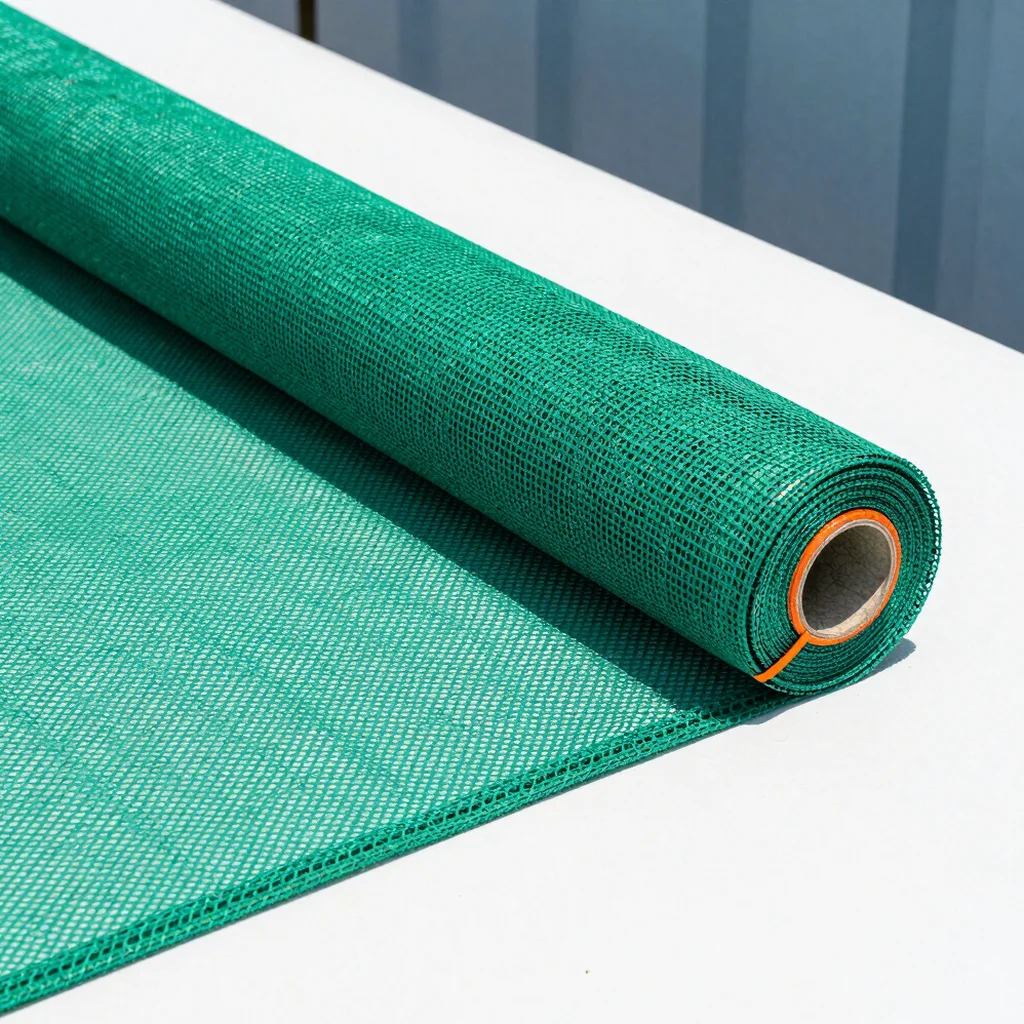
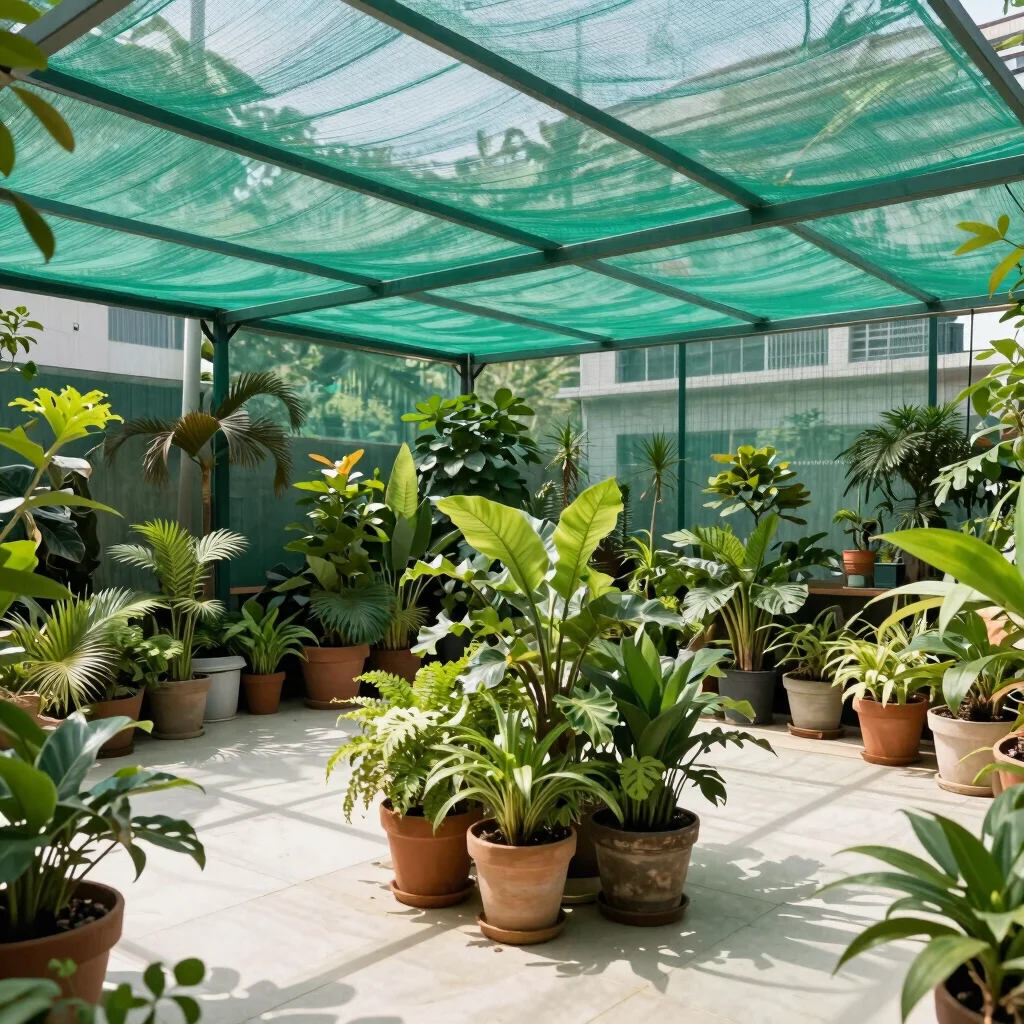
Peak summer temperatures in Punjab regularly exceed forty degrees Celsius, causing intense leaf scorch on potted plants and excessive heat accumulation on exposed concrete terraces. Installing green shade netting allows property owners to lower ambient temperatures while regulating light transmission.
Matching Shade Percentages to Your Space
Shade percentage indicates the proportion of solar radiation blocked by the woven mesh. A fifty percent shade net works well for flowering terrace gardens and vegetables requiring partial sunlight, preventing heat wilt while allowing photosynthesis.
For outdoor sitting areas, car parking bays, or delicate ornamental foliage, a seventy-five percent shade density provides significant cooling without trapping rising hot air beneath the canopy.
Knitted Versus Woven Shade Mesh Structure
Knitted HDPE shade cloth is lighter, superior in tear resistance, and easier to drape over custom frame structures than heavy woven alternatives. If a branch punctures a knitted net, the stitch structure prevents the tear from spreading.
Ensure the product contains UV-stabilized additives throughout the polymer matrix. Stabilized shade cloth degrades quickly under scorching sunlight, sagging and losing tensile strength within a single summer season.
Wind Resistance and Framework Installation
Per-monsoon wind gusts generate substantial lift forces on wide shade panels. Mount shade cloth over a rigid steel or GI pipe framework rather than tying raw corners directly to building parapets.
Use reinforced eyelet webbing tape along all cut edges and space attachment points tightly. Proper tensioning prevents flapping noise, reduces abrasion against support poles, and extends operational lifespan.
Choosing Between 35%, 50%, 75%, and 90% Shade Nets
Shade nets typically come in a handful of standard ratings, and each suits a different purpose. A 35-40% shade net allows most sunlight through and is generally used for hardening young saplings or protecting delicate flowers from only the harshest midday sun. A 50% net, as covered above, works well for flowering plants and vegetables on terrace gardens. A 75% shade net is better suited to shade-loving plants, seating areas, or car parking shades where more significant heat reduction is needed. A 90% net blocks nearly all direct sunlight and is typically used for nurseries growing shade-dependent plants or for creating a genuinely cool covered space rather than a garden application.
Green Shade Netting for Terraces and Rooftops in Punjab’s Climate
Punjab’s summer heat, often exceeding forty degrees for weeks at a time, makes exposed concrete terraces uncomfortably hot both to walk on and to sit near, since concrete absorbs and radiates heat well into the evening. A well-chosen shade net over a terrace seating area or rooftop garden can noticeably reduce this heat buildup, making outdoor space usable even during the hottest parts of the day.
Material and Durability Considerations
Shade nets are typically made from UV-stabilized HDPE, similar to bird netting material, since they need to withstand constant direct sun exposure for years without degrading. Higher-quality shade netting holds its color and shade percentage consistently over time, while lower-grade material can fade and lose some of its rated shading effectiveness within a couple of seasons.
Installation Considerations for Shade Netting
Unlike bird netting, which needs to be pulled taut to prevent gaps, shade netting is often installed with a slight amount of give to allow for wind movement without excessive strain on anchor points. A simple frame or cable support system along the edges of a terrace or garden area is the most common installation method, allowing the net to be raised, lowered, or removed seasonally if needed.
Seasonal Use: Should You Remove Shade Netting in Winter?
Since shade netting’s main purpose is heat and light reduction, many property owners choose to remove or roll back their netting during Punjab’s cooler winter months to allow full sunlight onto plants or seating areas that benefit from warmth at that time of year. A removable frame or cable system makes this seasonal adjustment straightforward.
Shade Netting vs Other Cooling Methods
Compared to permanent roofing or awnings, shade netting is significantly cheaper to install and allows some airflow and light through depending on the percentage chosen, which permanent structures don’t offer. It’s a particularly good middle-ground option for terrace gardens and casual seating areas where full enclosure isn’t desired.
Common Mistakes When Choosing Shade Percentage
The most frequent mistake is choosing a shade percentage that’s too low for the intended purpose, such as using a 35% net over a seating area expecting significant heat relief, when a 75% net would perform far better for that use case. Matching the percentage to the actual goal – plant protection versus heat reduction for people – is the key decision point.
Frequently Asked Questions
What shade percentage is best for a rooftop vegetable garden?
Around 50% is generally recommended for most vegetables and flowering plants, balancing sunlight needs with heat protection.
Can shade netting be used over a car parking area?
Yes, a 75% shade net is commonly used for parking areas, offering meaningful heat reduction while still allowing some natural light through.
How long does shade netting typically last in Punjab’s climate?
UV-stabilized HDPE shade netting generally lasts several years with proper installation, though exact lifespan depends on sun exposure and material quality.
Should I remove my shade net during winter?
Many property owners do remove or roll back shade netting in winter to allow full sunlight, particularly for plants that benefit from more light and warmth during cooler months.
Is shade netting the same material as bird netting?
Both are often made from similar UV-stabilized HDPE, though shade netting is woven at a specific density to achieve its shading percentage rather than primarily for physical bird exclusion.
Getting the Right Shade Net for Your Space
Since the ideal shade percentage depends on your specific plants, usage, and sun exposure, a quick conversation about your goals – whether it’s protecting a terrace garden or cooling a seating area – helps narrow down the right choice before installation. You can reach out through our contact page for guidance specific to your space.
How Shade Netting Affects Indoor Temperatures Too
Beyond direct comfort on a terrace, a shade net installed above a rooftop can noticeably reduce heat transfer into the rooms directly below, since the concrete slab absorbs less direct solar radiation throughout the day. This can make a real difference in top-floor flats during peak summer, sometimes reducing the need for air conditioning to run as intensively during the hottest afternoon hours.
Combining Shade Netting With Bird Netting
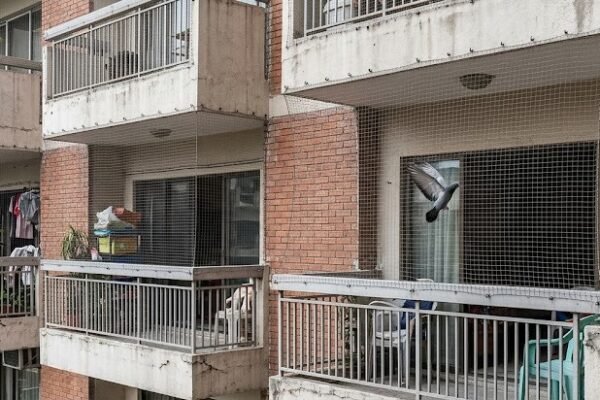
Some terraces benefit from both a shade net for heat and light control and a separate bird net for pigeon exclusion, particularly on rooftop gardens where both plant protection and bird control matter. These can generally be installed as separate layers without interfering with each other, and doing both during the same site visit is usually more efficient than scheduling them separately.
Cost Factors for Shade Netting
Pricing depends on the shade percentage chosen, the total area to be covered, and whether a supporting frame or cable system is needed for installation. As with bird netting, a site visit gives the most accurate quote, since irregular terrace shapes or existing structures can affect the amount of material and labor required.
Choosing a Color for Your Shade Net
Green remains the most popular color for shade netting given its natural look over garden areas, though black and other colors are also available and perform similarly in terms of shading percentage. The choice mostly comes down to how the net will look against your specific terrace or garden design.
Final Thoughts on Shade Netting
Whether you’re protecting a terrace garden from leaf scorch or trying to make a rooftop seating area usable through Punjab’s peak summer heat, matching the right shade percentage to your actual goal makes the biggest difference in how satisfied you’ll be with the result. A quick conversation about your specific space and what you’re hoping to achieve is usually enough to point you toward the right percentage and material before committing to an installation.
Shade netting is a relatively small investment compared to permanent structural solutions, and its flexibility – being adjustable or removable by season – makes it a practical choice for most homes and terrace gardens across the region rather than a one-size-fits-all permanent fixture.
If you’re weighing up percentages or unsure how much heat reduction you actually need, reaching out with a few details about your space is the easiest way to get a clear recommendation.
From there, we can point you toward the right shade percentage and material for your terrace, garden, or seating area.