
Not all bird nets are built the same way, and using the wrong type in the wrong location is one of the most common reasons a netting job looks messy or fails within a year. Balconies, terraces, and windows each have different exposure to wind, sun, and rain, and each has its own typical grill or railing style, which means the ideal net material, thickness, and fixing method can vary quite a bit between the three. This guide breaks down exactly how to choose between balcony nets, terrace nets, and window nets so you don’t end up paying for the wrong specification.
Balcony Nets: Built for Enclosed, Semi-Protected Spaces
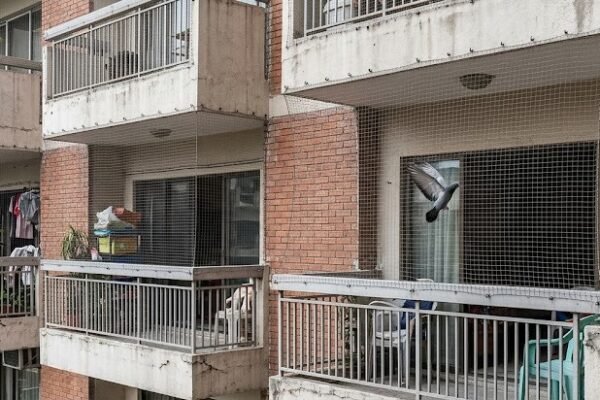
Balconies are usually partially enclosed by the floor above, which shields them from direct rain and reduces wind load compared to a fully open terrace. This means balcony nets can generally use a lighter, more transparent nylon mesh that preserves the view and airflow homeowners want from a balcony. Fixing is typically done with small stainless steel hooks or eyelets screwed into the ceiling slab and floor railing, keeping the net taut without needing a full metal frame.
Terrace Nets: Built for Full Sun and Wind Exposure
Open terraces, by contrast, are fully exposed to sun, rain, and wind, which is why terrace netting almost always calls for UV-stabilized HDPE rather than basic nylon. HDPE resists the sun’s degrading effect far better over multiple years, and its higher tensile strength holds up against wind loads that would stretch or tear a lighter balcony-grade net. Terrace installations often need a supporting frame or cable system along the parapet to keep a large open span properly tensioned.
Window Nets: Built for Precision Fitting
Window nets are the smallest and most precise of the three, usually fitted to a single window opening or a small AC ledge. Because the area is small, a lightweight nylon net with a simple frame or velcro-style border often works well, and the focus tends to be on a clean, unobtrusive finish rather than raw strength, since window openings see far less wind load than an open terrace.
Comparing All Three at a Glance
- Balcony nets – lightweight nylon, hook-and-eyelet fixing, prioritizes visibility and airflow
- Terrace nets – UV-stabilized HDPE, frame or cable-supported, prioritizes strength and durability
- Window nets – light nylon, simple frame or velcro border, prioritizes a precise, unobtrusive fit
How Location Affects Pricing
Because terrace nets use thicker, UV-rated material and often need supporting frames, they typically cost more per square foot than balcony or window nets of the same brand. Balcony nets sit in the middle, and small window nets are usually the least expensive simply due to the smaller area covered. A free measurement visit remains the most reliable way to get an exact figure for your specific space, and you can request one through our contact page.
Common Mistakes When Matching Net to Location
The most frequent mistake is using a basic nylon net on an open terrace to save money upfront, only to see it degrade within a year or two under direct sun. The opposite mistake – using heavy, opaque terrace-grade netting on a small balcony – can look bulky and block more light and view than necessary. Getting this match right the first time avoids a costly do-over.
Signs You’ve Chosen the Wrong Net Type
If a net has visibly yellowed, become brittle, or developed sagging sections within the first year, it’s often a sign the wrong grade was used for that location’s sun and wind exposure. Similarly, if a balcony net feels overly bulky or restricts a view that used to be open, a lighter grade would likely have worked just as well.
Combining Net Types on One Property
It’s common for a single home to need all three types – a terrace net for the open rooftop, balcony nets for each floor’s living area, and a small window net for a kitchen ledge where pigeons tend to perch. Booking all three together during one site visit is usually more efficient than handling them separately, since the same team can assess sun exposure and wind patterns across the whole property in one go.
Maintenance Differences Between the Three
Terrace nets, being more exposed, benefit from an annual visual check after monsoon to confirm tensioning hasn’t loosened. Balcony and window nets, being more sheltered, generally need far less attention and can go several years between checks.
Frequently Asked Questions
Can I use the same net material for my balcony and terrace?
You can, but it’s not usually cost-effective – a terrace-grade UV-stabilized net on a balcony costs more than necessary, while balcony-grade nylon on a terrace tends to wear out faster than expected.
Which type of net is easiest to install?
Window nets are generally the quickest since the area is small, followed by balconies, with full terraces taking the longest due to their size and the need for supporting frames.
Do window nets need a frame?
Small windows can often be fitted with a simple velcro or hook border, though larger window openings may benefit from a lightweight frame for a cleaner finish.
How do I know which grade my terrace needs?
This depends on the terrace’s height, sun exposure, and typical wind conditions in your area – a free site visit is the most reliable way to get a specific recommendation. See our tri-city service guide for area-specific notes on Zirakpur, Mohali, Dhakoli, and Panchkula.
Is HDPE more expensive than nylon?
Yes, generally, but its longer lifespan under direct sun exposure often makes it more cost-effective over several years despite the higher upfront cost.
Final Thoughts
Matching the right net type to the right location – balcony, terrace, or window – is one of the simplest ways to avoid disappointment with a bird netting installation. If you’re unsure which grade your specific space needs, our team can advise during a free measurement visit, weighing sun exposure, wind, and the size of the area to be covered before recommending a material. This kind of unbiased assessment from an independent source, such as general guidance from bird control best practices, can also help set realistic expectations before you commit to a specific installer.
Understanding Wind Load and Why It Matters
Wind load is one of the most overlooked factors when choosing a net grade. A gust hitting a large open terrace net creates far more strain per anchor point than the same wind hitting a small, partially sheltered balcony net, simply because there is more surface area for the wind to push against. This is why terrace nets typically need both a stronger material and more closely spaced anchor points compared to a balcony of similar overall size.
Color and Aesthetic Considerations
Beyond material and strength, color choice also differs slightly by location. Balcony and window nets are often chosen in black or dark grey since these tend to disappear visually against railings and grills, preserving the view from inside. Terrace nets, being viewed mostly from below or from a distance, have a bit more flexibility in color choice since fine mesh detail is less noticeable from further away.
Working with Irregularly Shaped Spaces
Not every balcony, terrace, or window opening is a simple rectangle. L-shaped terraces, balconies with support pillars, and windows with air conditioning units all need custom-cut netting rather than a standard pre-sized panel. This is another reason a proper measurement visit matters more than an online size-based calculator, since irregular shapes often need multiple panels joined neatly at the seams.
How to Talk to an Installer About Your Space
When requesting a quote, it helps to mention whether the space is a balcony, open terrace, or window, roughly how large it is, what floor it’s on, and whether it gets significant direct sun for most of the day. These few details let an experienced installer narrow down the right net grade before even visiting, making the eventual site visit faster and more focused.
Will a terrace-grade net look too heavy on a balcony?
It can appear slightly bulkier and reduce transparency somewhat, which is why balcony-specific lighter nets are usually recommended unless there’s a specific reason to use heavier material.
Can one property have different net colors for different areas?
Yes, color is a purely aesthetic choice and can vary by area without affecting performance, as long as the material and thickness suit that specific location’s exposure.



[…] though both can last five or more years when correctly matched to a sheltered location. Read our balcony vs terrace vs window net guide for more on matching material to […]
[…] our HDPE vs nylon comparison covers the other major decision point alongside mesh gauge, and our balcony vs terrace vs window guide looks at how location affects both gauge and material choice […]