
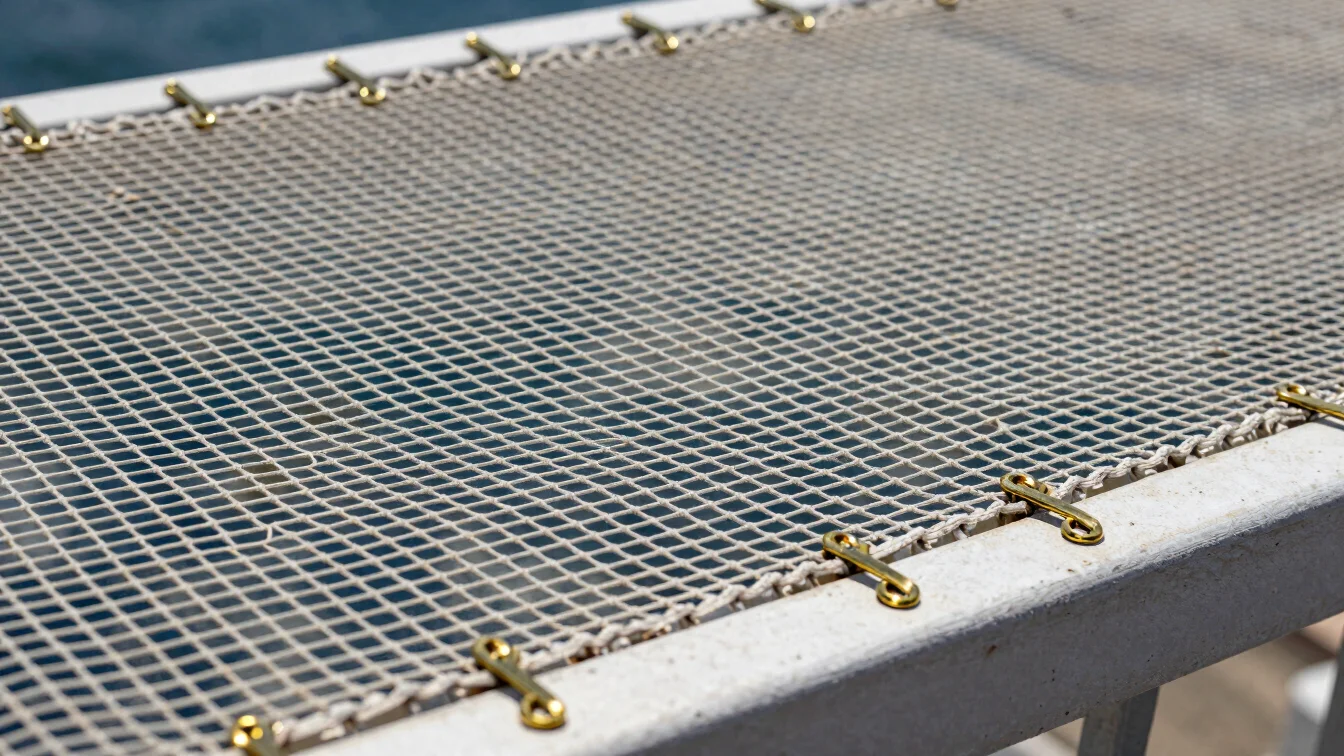
A correctly installed bird net needs very little maintenance, but a small amount of care goes a long way toward getting the full expected lifespan out of it. This guide covers what routine upkeep actually looks like, how to spot early signs of wear, and how to clean a net without damaging it.
How Much Maintenance Does a Bird Net Really Need?
For most residential balconies and terraces, maintenance is minimal – an occasional visual check and a light clean during your regular balcony cleaning routine is generally enough. Unlike some pest-control methods that need reapplication every few months, a properly tensioned net doesn’t require chemical treatments or frequent servicing.
When to Check Your Net
The best times to give your net a quick visual check are after the monsoon season, when heavy rain and wind are most likely to have loosened an anchor point, and once a year in general as routine upkeep. Look specifically at corners, joints between panels, and anchor points for any signs of slack or gaps.
How to Clean a Bird Net Safely
A soft brush or a gentle rinse with water is usually enough to remove dust, leaves, or light debris from a net. Avoid high-pressure water jets directly on the mesh, since repeated high-pressure cleaning can stress the fibers over time, and steer clear of harsh chemical cleaners that aren’t necessary for synthetic netting.
Signs Your Net Needs Attention
- Visible sagging in one or more sections
- Small gaps at corners or where panels join
- Discoloration or brittleness, especially on nets exposed to direct sun for years
- Loose or missing anchor hooks
- Any sign that birds have found a way through despite the net being in place
Fixing Minor Issues Yourself
A single loose anchor point can often be re-secured without professional help if you’re comfortable working at the height involved and have the right replacement hook or clip. Larger sagging sections or multiple loose points, however, are usually better handled by a professional, since re-tensioning a full net correctly takes some experience.
When to Call a Professional
If you notice multiple loose points, visible gaps large enough for a bird to pass through, or a net that’s clearly degraded from years of sun exposure, it’s worth arranging a professional inspection rather than attempting a full repair yourself. This is especially true for upper-floor balconies and terraces where working at height carries real safety risk.
How Maintenance Differs by Net Type
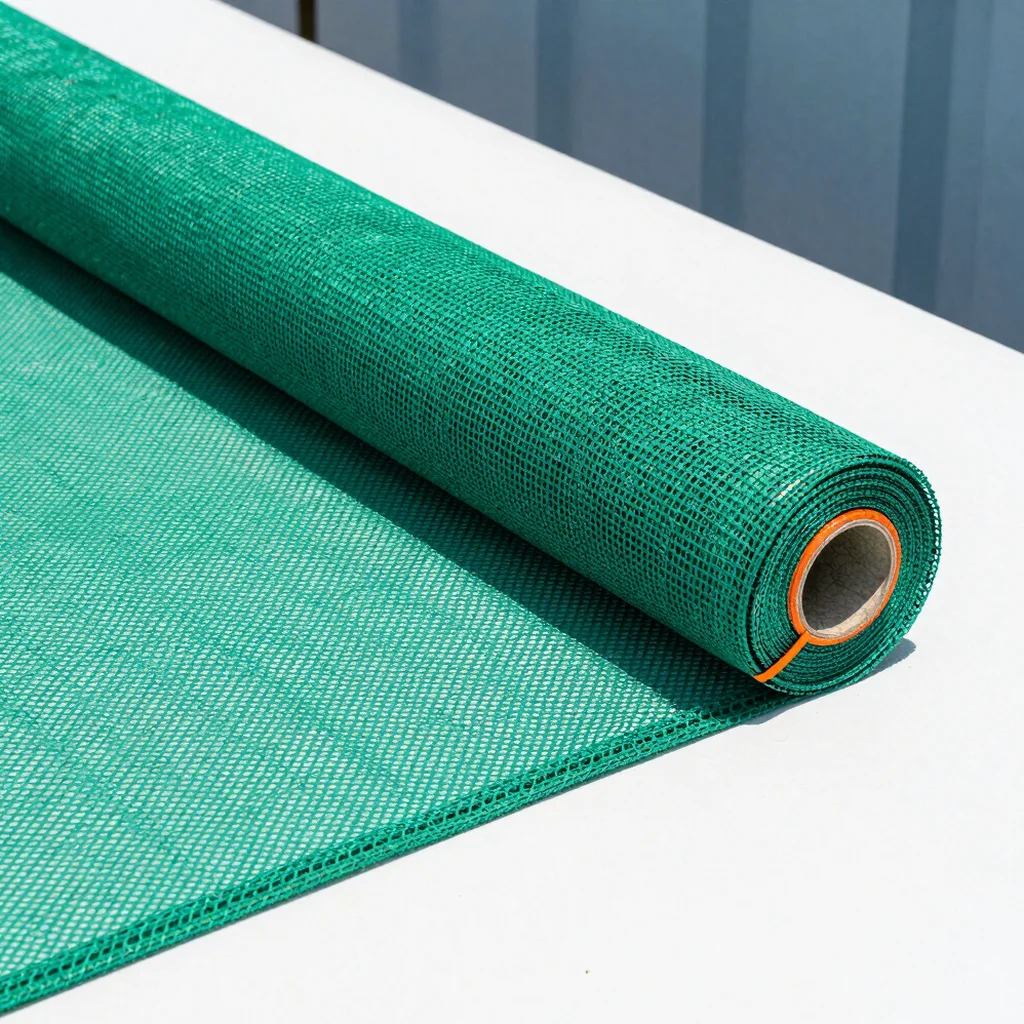
UV-stabilized HDPE nets used on open terraces generally hold up longer with less attention needed than basic nylon, though both benefit from the same simple annual check. Nets on fully open, wind-exposed terraces are slightly more prone to loosening over time compared to more sheltered balcony installations, simply due to greater exposure.
Extending Your Net’s Lifespan
Beyond basic cleaning, avoiding unnecessary strain – such as hanging heavy items directly on the net or allowing large branches or debris to rest against it – helps preserve its structure. Prompt attention to small issues, like a single loose hook, also prevents minor problems from developing into a larger sagging section over time.
Frequently Asked Questions
How often should I clean my bird net?
A light clean during regular balcony maintenance, roughly every few months, is generally sufficient for most residential installations.
Can I pressure wash my bird net?
Light rinsing is fine, but avoid high-pressure jets directly on the mesh, since repeated high pressure can weaken the fibers over time.
How do I know if my net needs replacing rather than repairing?
If the material itself has become brittle or discolored throughout, rather than just one loose anchor point, replacement is usually more practical than a repair.
Does maintenance differ between HDPE and nylon nets?
Both need similar basic care, though HDPE generally holds up longer under direct sun exposure with less attention required over time.
Can I do an annual check myself without professional help?
A basic visual check from inside your balcony is usually safe to do yourself; any hands-on repair work at height is better left to a professional.
Getting a Professional Inspection
If it’s been several years since installation, or you’ve noticed any of the warning signs above, a quick professional inspection can confirm whether your net just needs a minor adjustment or a full replacement. You can arrange one through our contact page, and if you’re due for a replacement, our HDPE vs nylon guide can help you decide on material for the new installation.
Seasonal Maintenance Calendar
A simple way to stay on top of upkeep is to tie it to the seasons: a quick check just before monsoon to confirm anchor points are secure, another check shortly after monsoon once the heaviest rain has passed, and a general once-over during the dry, high-sun months to look for any early signs of UV wear. This kind of light, seasonal routine catches most issues early without requiring constant attention.
Tools You Might Need for Minor Fixes
For small adjustments, a step ladder rated for the height involved, a replacement hook or eyelet matching your existing hardware, and a pair of pliers are usually all that’s needed. Anything requiring re-tensioning of a larger section, or work above the first floor, is better handled with proper safety equipment or by a professional.
How Weather Conditions Affect Maintenance Needs
Nets facing direct afternoon sun for most of the day will generally show UV wear sooner than those in partial shade, so it’s worth checking sun-facing sections a little more closely during routine inspections. Similarly, nets on higher floors exposed to stronger wind may need anchor points checked slightly more often than sheltered ground-floor installations.
What Not to Do
Avoid using sharp tools near the mesh when clearing debris, don’t leave heavy branches or objects resting against the net for extended periods, and resist the urge to over-tighten a sagging section yourself without understanding the original tensioning method, since this can sometimes create new stress points elsewhere in the net.
Is there a specific cleaning product recommended for bird nets?
Plain water with a soft brush is generally sufficient; there’s no need for specialized cleaning products for synthetic netting.
How long before I should expect to replace rather than maintain my net?
With proper maintenance, most nets last five to seven years before replacement becomes more practical than ongoing repairs.
Keeping Records of Your Installation
It’s worth noting down the installation date, net material, and installer details somewhere easy to find, such as a photo of the invoice saved on your phone. This makes it much easier to reference warranty terms or explain your setup if you ever need a repair or professional inspection down the line.
Maintenance for Commercial Properties
Shops and offices with larger rooftop or terrace netting often benefit from a simple annual maintenance visit rather than relying purely on self-checks, given the larger area involved and, often, less frequent visual access to the space compared to a home balcony used daily.
A Quick Self-Check Routine
Walk the full perimeter of your netted area, gently tug on a few random sections to check tension, look closely at any corners or joints, and note anything that looks different from when the net was first installed. This entire process usually takes only a few minutes but can catch small issues well before they become bigger problems.
Final Thoughts on Long-Term Care
The overall time investment for maintaining a bird net is small compared to the ongoing effort of dealing with pigeon droppings, nesting debris, or reapplying other deterrents. A few minutes of checking twice a year is generally all it takes to keep a well-installed net performing as expected for its full lifespan, and catching small issues early almost always costs less than dealing with a full failure later.
If you’re ever unsure whether something you’ve noticed needs attention, sending us a quick photo is often enough for us to tell you whether it’s a minor fix or worth a professional visit.
That quick back-and-forth usually saves an unnecessary visit if the issue turns out to be something simple you can handle on your own.
And if it does turn out to need a proper fix, we can usually give you a rough idea of cost and timing before even scheduling the visit.
A little proactive care really does go a long way toward getting the most out of your netting investment.
We hope this guide makes that upkeep feel a little less like a chore and more like a quick, occasional habit.

[…] than ongoing cleanup. You can arrange a free measurement visit through our contact page, and our maintenance guide covers how to keep an installed net performing well over […]