Beyond the mess and noise, pigeon droppings carry genuine health risks that make netting more than just a cosmetic fix. This guide covers what those risks actually are, based on established public health information, so you can make an informed decision about how quickly to address a pigeon problem on your balcony or terrace.
What’s Actually in Pigeon Droppings
Dried pigeon droppings can harbor fungal spores and bacteria that pose a risk primarily when disturbed and inhaled, such as during sweeping or cleaning without protection. The risk grows with the amount of accumulated droppings and how long they’ve been left undisturbed, since fungal growth generally needs time to establish.
Histoplasmosis: The Most Commonly Cited Risk
Histoplasmosis is a fungal infection linked to environments with heavy bird or bat droppings, caused by a fungus that grows in such conditions and can become airborne when disturbed. According to the U.S. CDC, most people who inhale the spores don’t get sick, but those with weakened immune systems or heavy, prolonged exposure face higher risk of respiratory symptoms.
Other Health Considerations
Beyond histoplasmosis, accumulated droppings can also contribute to general respiratory irritation from dust and debris, and create conditions for bacterial growth in standing water where drains get blocked by nesting material. None of these risks require alarm for a small, occasional dropping, but they do add up with prolonged, heavy accumulation.
Who Is Most at Risk
Young children, elderly family members, and anyone with existing respiratory conditions or a weakened immune system are generally considered more vulnerable to the health risks associated with heavy dropping accumulation. This is worth keeping in mind particularly for households with these members when deciding how urgently to address a pigeon problem.
Safe Cleanup Practices
If you need to clean an area with dropping accumulation, wearing a mask and gloves, lightly dampening the area before sweeping to reduce dust, and avoiding dry sweeping of heavily accumulated areas are all sensible precautions. For significant accumulation, particularly in enclosed spaces, professional cleaning services experienced with this kind of work are a safer option than DIY cleanup.
Why Prevention Beats Repeated Cleaning
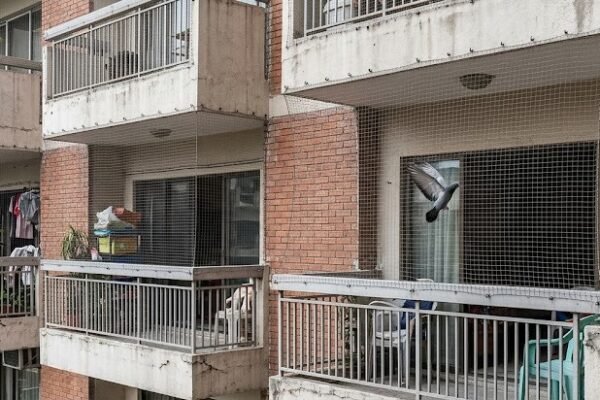
Since the health risk scales with the amount and duration of dropping accumulation, preventing pigeons from roosting in the first place through netting is a more effective long-term approach than repeatedly cleaning up after an ongoing nesting problem. Netting addresses the root cause rather than managing the symptom on a recurring basis.
Property Damage Beyond Health Concerns
Dropping accumulation is also mildly acidic and can degrade paint, stone, and certain metal finishes over time, adding a maintenance cost dimension alongside the health considerations. Balconies and ledges with heavy, prolonged dropping exposure often need more frequent repainting or resurfacing than those kept clean.
Frequently Asked Questions
Is it dangerous to have a small amount of pigeon droppings on my balcony?
A small, occasional amount poses minimal risk, particularly if cleaned promptly; the concern grows with heavy, prolonged accumulation.
What is histoplasmosis and how serious is it?
It’s a fungal infection linked to environments with heavy bird droppings; most healthy people who are exposed don’t get seriously ill, though those with weakened immune systems face higher risk.
How should I safely clean up pigeon droppings?
Wear a mask and gloves, lightly dampen the area before sweeping to reduce airborne dust, and consider professional cleaning for heavy accumulation.
Does bird netting eliminate the health risk entirely?
Netting prevents new accumulation by stopping birds from roosting, which is the most effective way to prevent this risk from developing in the first place.
Are certain family members more at risk from dropping exposure?
Yes, young children, elderly individuals, and those with respiratory conditions or weakened immune systems are generally considered more vulnerable.
Taking Action
If pigeons have been roosting on your balcony or terrace for a while, addressing it with proper netting is a more permanent solution than ongoing cleanup. You can arrange a free measurement visit through our contact page, and our maintenance guide covers how to keep an installed net performing well over time.
How Quickly Can a Problem Develop?
A single pair of pigeons roosting on a balcony can produce a noticeable accumulation within just a few weeks, and if nesting continues undisturbed, this builds up further over subsequent months. This relatively quick timeline is part of why addressing the root cause early, rather than waiting, tends to keep both cleanup effort and health risk lower.
Ventilation and Enclosed Spaces
Balconies and terraces that are largely open to fresh air generally carry lower risk than enclosed spaces like attics or poorly ventilated storage areas with dropping accumulation, since airborne spore concentration tends to be lower with good airflow. This doesn’t eliminate the risk on an open balcony, but it’s a relevant factor when assessing urgency for cleanup versus professional help.
When to Involve a Professional Cleaning Service
For heavy, long-term accumulation, particularly in less ventilated areas or where visible mold or fungal growth is present, a professional cleaning service equipped with proper protective gear is a safer choice than DIY cleanup. This is especially worth considering for elderly residents or anyone in the household with respiratory sensitivities.
Balancing Awareness With Proportionate Response
It’s worth noting that these risks, while real, don’t warrant panic over occasional bird activity – the concern specifically applies to prolonged, heavy accumulation left unaddressed over an extended period. A reasonable, proportionate response is simply to address an ongoing pigeon problem promptly rather than letting it continue indefinitely.
Can pigeon droppings affect pets as well as people?
Yes, pets that come into direct contact with heavy dropping accumulation can also be exposed to similar risks, so keeping pets away from affected areas until cleaned is a sensible precaution.
Does rain wash away the risk from droppings?
Rain can reduce visible accumulation but doesn’t necessarily eliminate fungal spores already established in the area, so relying on rain alone isn’t a substitute for proper cleanup or prevention.
How This Connects Back to Prevention
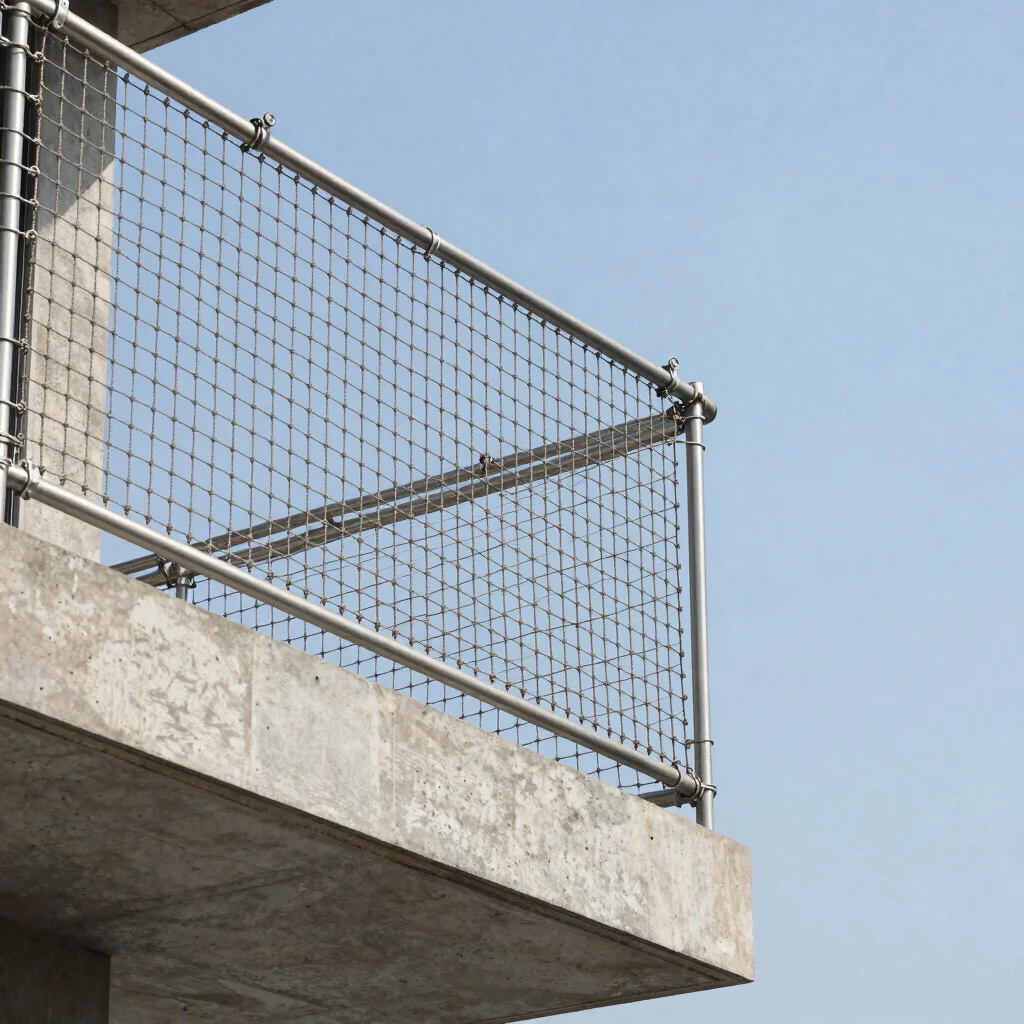
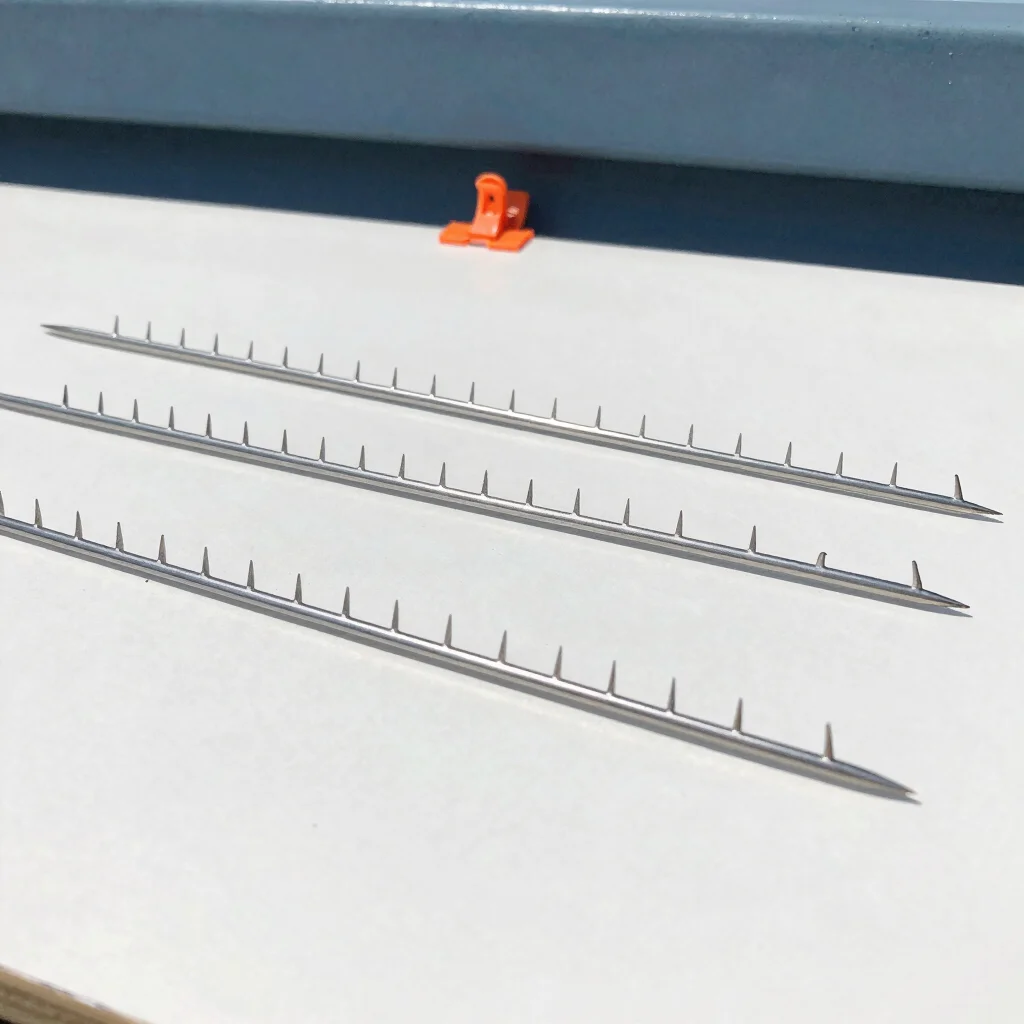
Every health consideration covered here traces back to the same root cause: birds having ongoing access to a roosting spot. Physical exclusion through properly installed netting addresses this directly, which is why it’s generally recommended as the primary long-term solution rather than relying solely on repeated cleaning or temporary deterrents.
What This Means for Different Property Types
Homes with young children or elderly residents may want to prioritize addressing an active pigeon problem sooner rather than later, given the higher-risk groups involved. Commercial properties, particularly those with food-related operations or storage, also have added reasons to prevent dropping accumulation given hygiene standards that typically apply to such spaces.
A Note on Information Sources
The health information referenced in this article draws on publicly available guidance from established health authorities. If you have specific health concerns related to bird dropping exposure, particularly for vulnerable family members, consulting a medical professional directly is always the more appropriate step than relying solely on general information like this.
Putting This Into Perspective
None of this is meant to suggest that a pigeon landing occasionally on your balcony is a health emergency – it isn’t. The point is simply that an ongoing, unaddressed nesting problem carries more risk the longer it continues, which is a reasonable enough reason to prioritize a permanent fix over repeated short-term cleanup.
If you’re currently dealing with an active nesting problem and want to understand your options, our DIY vs professional installation guide and pricing guide are good next steps to read alongside this one.
Between understanding the actual risk level and knowing your installation options, you’ll be in a much better position to decide how quickly to act on a pigeon problem at your property.
We’re happy to answer any questions about your specific situation over a quick call, whether that’s about health precautions during cleanup or the netting options available for your space.
Acting on it sooner rather than later is generally the simplest way to keep both the cleanup effort and any associated risk to a minimum.
A short conversation today can save considerably more cleanup effort, and worry, a few months down the line.
We’d rather help you prevent the problem than clean up after it repeatedly, and that starting point begins with a simple conversation about what you’re currently seeing on your property.
From there, the right solution for your specific space usually becomes clear fairly quickly.
Thank you for taking the time to read through this – being informed is the first step toward a healthier, pigeon-free balcony.