

HDPE and nylon are the two most common bird net materials used across homes and commercial properties, and choosing between them comes down to a fairly simple trade-off: strength and sun resistance versus flexibility and visual lightness. This guide breaks down exactly how the two compare so you can pick the right one for your specific balcony, terrace, or window.
What Nylon Bird Nets Offer
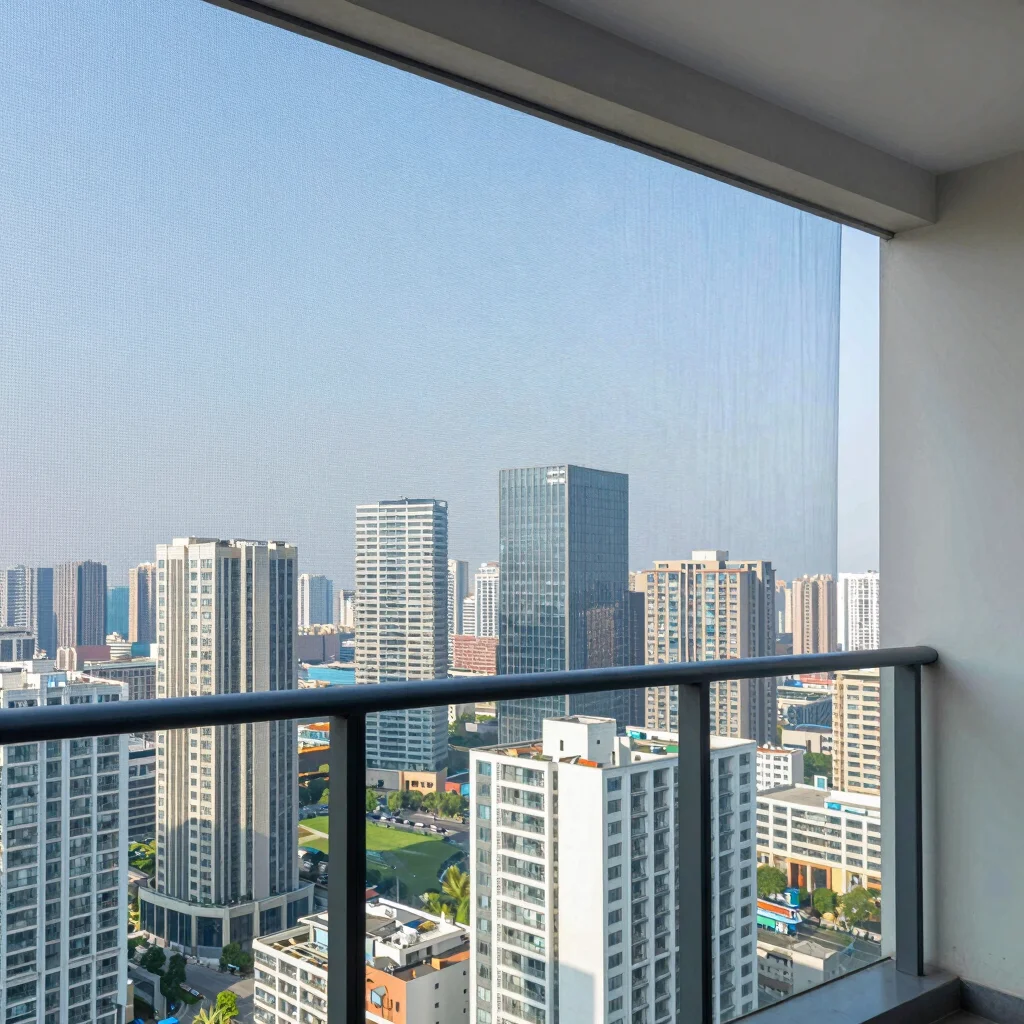
Nylon netting is lightweight, flexible, and tends to be more transparent than HDPE, which makes it a popular choice for balconies and windows where preserving the view matters. It’s generally easier to handle during installation and works well in partially sheltered spaces that don’t get constant direct sun exposure throughout the day.
What HDPE Bird Nets Offer
HDPE (high-density polyethylene) netting is thicker, stronger, and specifically formulated to resist UV degradation far better than standard nylon. This makes it the preferred choice for open terraces and rooftops that face direct sun for most of the day, where a lower-grade material would become brittle and start breaking down within a year or two.
Side-by-Side Comparison
- Sun resistance – HDPE holds up significantly longer under direct UV exposure than standard nylon
- Weight and flexibility – nylon is lighter and easier to work with on smaller, irregular spaces
- Transparency – nylon is generally more see-through, which suits balconies where view matters most
- Strength under wind load – HDPE generally performs better across large open spans exposed to wind
- Typical lifespan – HDPE often lasts longer in high-sun locations, while nylon performs well in sheltered areas for a similar number of years
Which One Costs More?
HDPE typically costs slightly more per square foot than standard nylon due to its thicker construction and UV treatment. However, on an exposed terrace, the longer effective lifespan of HDPE often makes it the more cost-effective option over several years, since a cheaper nylon net installed in full sun may need replacing sooner.
Matching Material to Your Specific Space
As a general rule, balconies that are partially shaded by the floor above tend to do well with nylon, while fully open terraces and rooftops benefit more from HDPE’s added UV resistance and strength. Window openings, being smaller and often less exposed, can usually use either material depending on personal preference around transparency and budget.
Color Options for Both Materials
Both HDPE and nylon nets typically come in black, white, and grey, with black being the most popular choice since it tends to blend into shadows and appear less noticeable from a distance. Color choice doesn’t significantly affect performance for either material, so it largely comes down to what looks best against your specific railing or building exterior.
Installation Differences
Nylon’s lighter weight makes it marginally easier to handle during installation, particularly for smaller balcony jobs. HDPE’s added thickness and strength mean it holds tension well across larger spans, which is useful for open terraces, but it can require slightly sturdier anchor points to handle the extra material weight and wind load.
Common Misconceptions
A common misconception is that nylon is always the “cheaper, worse” option and HDPE is always “better” – in reality, each is simply suited to different conditions. Using unnecessarily heavy HDPE on a small, sheltered balcony adds cost without much benefit, just as using basic nylon on a fully exposed terrace risks premature failure.
Frequently Asked Questions
Which material lasts longer in direct sunlight?
HDPE generally outperforms standard nylon under constant direct sun exposure due to its UV-stabilized construction.
Is nylon net strong enough for a terrace?
Basic nylon can work on smaller or partially sheltered terraces, but fully open, larger terraces generally benefit more from HDPE’s added strength and UV resistance.
Can HDPE and nylon nets be mixed on the same property?
Yes, it’s common to use nylon for balconies and windows while reserving HDPE for open terraces and rooftops on the same property.
Does HDPE net look different from nylon?
HDPE tends to be slightly thicker and less transparent than nylon, though both are available in similar colors and mesh sizes.
How much longer does HDPE typically last than nylon?
In high-sun conditions, HDPE can outlast basic nylon by a couple of years, though both can last five or more years when correctly matched to a sheltered location. Read our balcony vs terrace vs window net guide for more on matching material to space.
Getting the Right Recommendation for Your Property
Since the right choice depends heavily on your specific balcony, terrace, or window’s sun and wind exposure, a free measurement visit remains the most reliable way to get a tailored recommendation rather than guessing based on general rules alone. You can arrange one through our contact page, and if you’re comparing pricing across nearby areas, our tri-city guide covers typical costs across Zirakpur, Mohali, Dhakoli, and Panchkula.
Final Thoughts
Neither HDPE nor nylon is universally “better” – the right choice depends on how exposed your specific space is to sun and wind, and how much you value transparency versus raw strength. Matching the material to the location correctly the first time avoids the cost and hassle of an early replacement.
How Manufacturing Differences Affect Performance
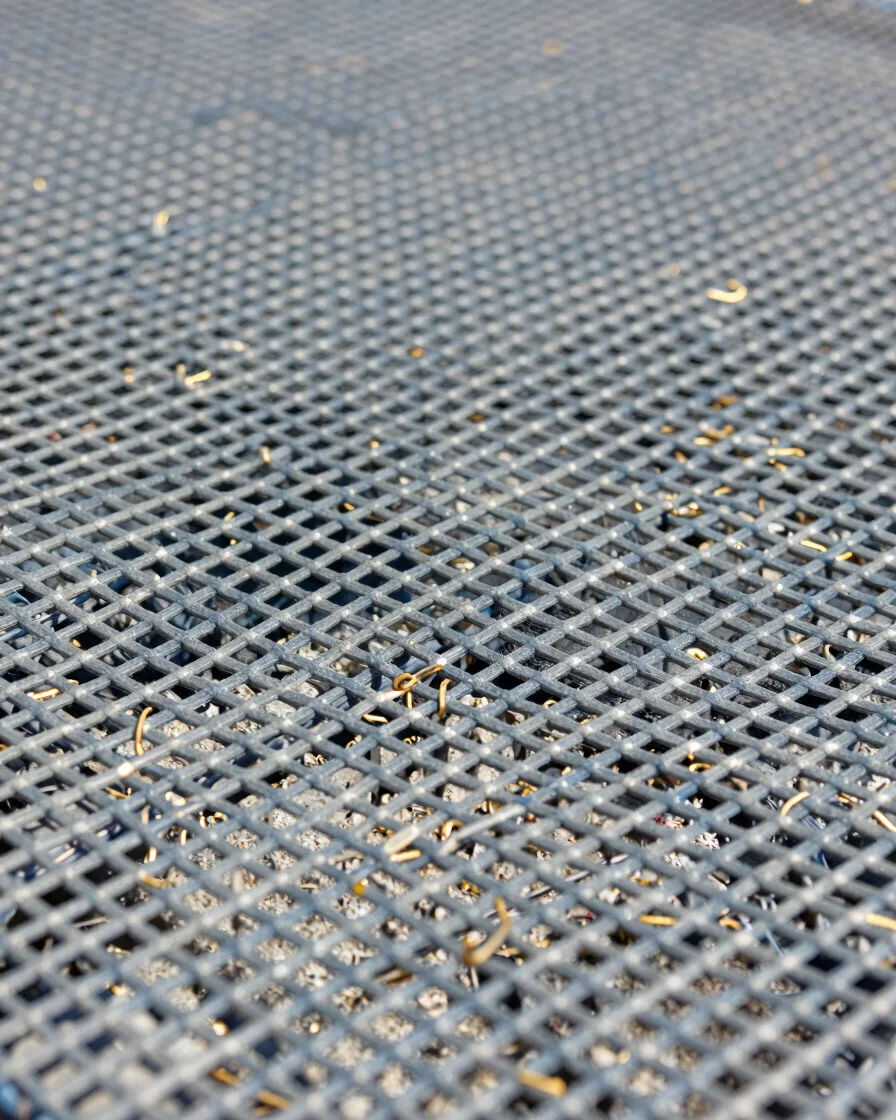
Nylon netting is generally woven from thinner, more flexible strands, which is what gives it that lighter, near-invisible look on a balcony. HDPE, by contrast, is extruded and treated during manufacturing specifically to resist breakdown from ultraviolet light, which is why it holds its strength for longer under constant sun exposure even though both materials might look similar in mesh size at a glance.
Testing Net Quality Before You Buy
Since both materials come in a range of qualities, it’s worth asking any installer specifically about the denier (thickness rating) of the strands and whether the HDPE is UV-stabilized during manufacturing rather than just treated afterward with a coating that can wear off. A quick way to judge quality on the spot is to check how stiff or flexible a sample feels and whether the color looks consistent throughout rather than only on the surface.
Environmental Considerations
Both materials are synthetic and don’t biodegrade quickly, but HDPE’s longer lifespan means fewer replacements over time, which can be a small environmental plus compared to a lower-grade nylon net that needs replacing more frequently in high-sun locations.
Which Material Do Most Tri-City Homes Use?
Across Zirakpur, Mohali, Dhakoli, and Panchkula, nylon tends to be more common for standard residential balconies given the region’s mix of shaded and semi-open spaces, while HDPE sees more use on open terraces and commercial rooftops where sun exposure is highest for most of the day.
Does mesh size affect the HDPE vs nylon decision?
Mesh size is usually chosen based on the size of birds you’re trying to keep out rather than the material itself, and both HDPE and nylon are available in similar mesh size ranges.
Can I request a sample before choosing a material?
Most installers can show a small sample of both materials during a site visit so you can compare thickness, transparency, and feel before deciding.
Long-Term Cost Thinking
When comparing HDPE and nylon purely on upfront price, it’s easy to default to whichever is cheaper per square foot. A more useful comparison factors in expected lifespan for your specific location – a slightly pricier HDPE net that lasts two extra years on a sun-exposed terrace can work out cheaper per year of use than a nylon net that needs replacing sooner in the same spot.
What to Ask Before Choosing
Before settling on a material, it’s worth confirming the net’s UV rating if it’s HDPE, whether the nylon is treated at all for sun resistance, and what warranty period applies to the material itself versus the installation labor. Getting clear answers to these questions upfront avoids surprises later if the net doesn’t perform as expected in your specific location.
A short conversation covering these points before your site visit usually makes the final material decision much clearer, and ensures the quote you receive matches the exact specification you actually need.
If you already have a rough idea of your space and its sun exposure, mentioning that upfront when you reach out can save an extra round of back-and-forth before your visit is scheduled.
Either way, the goal is the same regardless of material: a tight, correctly tensioned net that keeps pigeons out for years without needing constant attention.
That consistency in outcome, regardless of which material you end up choosing, is really the main thing worth prioritizing.

[…] You can arrange one through our contact page, and if you’re due for a replacement, our HDPE vs nylon guide can help you decide on material for the new […]
[…] you’re also deciding between net materials, our HDPE vs nylon comparison covers the other major decision point alongside mesh gauge, and our balcony vs terrace vs window […]