
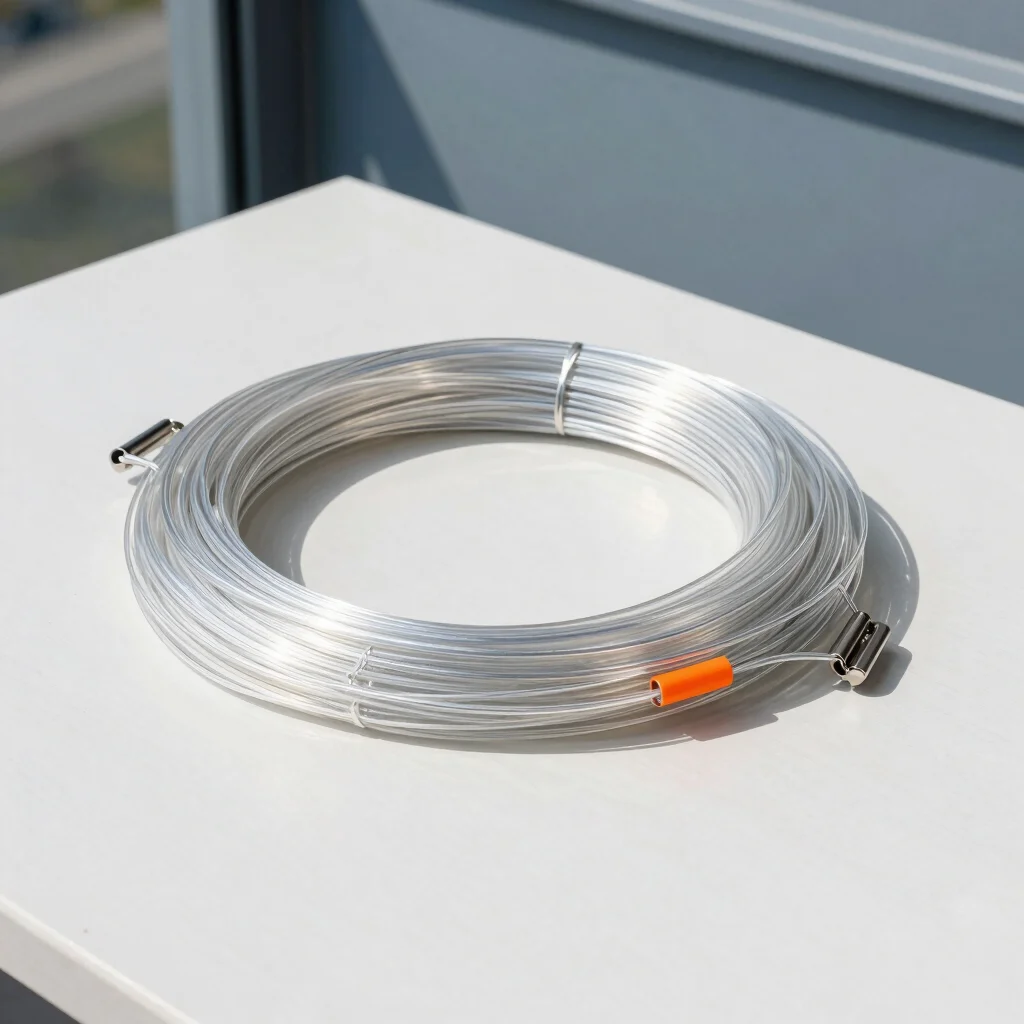
One of the first questions almost every homeowner asks before booking a bird net installation is simple: what will it actually cost? The honest answer is that pricing depends on several factors rather than a single flat rate, and understanding what drives the cost up or down can help you compare quotes more confidently. This guide breaks down exactly what affects anti-bird net pricing in Zirakpur, Panchkula, and Mohali.
Base Pricing Per Square Foot
Most installers, including our team, price bird netting starting around ₹16 per sq. ft. installed for standard nylon on a balcony, rising to around ₹25-₹28 per sq. ft. for UV-stabilized HDPE on larger open terraces. This range covers material and standard installation labor, though exact figures depend on the specifics of your space.
Factors That Increase the Price
Several factors typically push the price above the base rate: installation height (upper floors often need scaffolding or extra safety equipment), irregular shapes with pillars or AC units that need custom-cut panels, larger open terraces that require a supporting frame or cable system, and choosing a thicker, higher-grade UV-stabilized material over standard nylon.
Factors That Keep Costs Lower
Simple, rectangular balconies at lower floors, standard nylon material rather than premium HDPE, and bundling multiple balconies or windows into a single visit all help keep per-square-foot costs closer to the base rate, since less custom work and equipment is needed.
Typical Price Ranges by Area Type
- Small window or AC ledge netting – generally the lowest cost due to small area covered
- Standard balcony netting – mid-range pricing, starting around ₹16-₹20 per sq. ft.
- Open terrace or rooftop netting – higher pricing due to UV-stabilized material and frame support, often ₹22-₹28 per sq. ft.
- Large commercial terraces – custom quoted based on size, height, and structural complexity
Why We Recommend a Free Site Visit Over a Phone Quote
Because so many factors affect final pricing – height, shape, material, and access – a phone-only estimate is rarely accurate. A free measurement visit lets us assess your specific space and give you a written quote that won’t change once work begins, rather than a rough range that could shift significantly once the actual conditions are seen.
What’s Typically Included in a Quote
A standard quote covers the net material itself, hooks, eyelets, or frame hardware needed for your specific railing type, labor for measurement and installation, and a final quality check. It’s worth confirming these inclusions with any installer, since some quotes only cover material and charge labor separately.
Comparing Quotes From Different Installers
When comparing quotes, look beyond just the bottom-line number – check what net grade is being quoted (nylon vs HDPE), whether labor and hardware are included, and what warranty is offered. A lower quote using thin, non-UV-treated material on an exposed terrace may end up costing more over time if it needs replacing within a year or two.
Hidden Costs to Watch For
A few things can add unexpected cost if not clarified upfront: charges for removing an old, failed net before installing a new one, extra fees for very high floors requiring specialized scaffolding, and charges for custom-shaped panels on irregular terraces. Asking about these during the site visit avoids surprises on the final bill.
Is Cheaper Always Worse?
Not necessarily – a lower price on a small, simple balcony job using appropriate nylon netting is perfectly reasonable and doesn’t indicate poor quality. The concern arises specifically when a low price is achieved by using undersized or non-UV-treated material on a space that actually needs a higher grade, such as a fully exposed terrace.
Cost Across Zirakpur, Panchkula, and Mohali
Pricing stays broadly consistent across these areas since it’s driven mainly by net type and area size rather than location. Our tri-city guide covers this in more detail, along with area-specific notes for Zirakpur, Mohali, and Panchkula.
Frequently Asked Questions
What is the minimum cost for bird net installation?
Small window or ledge netting jobs are usually the least expensive, though exact minimums depend on the specific installer and area size.
Does floor height affect the price significantly?
Yes, upper floors that require scaffolding or additional safety equipment for access typically cost more than ground or first-floor installations.
Is HDPE always more expensive than nylon?
Generally yes, per square foot, though its longer lifespan in sun-exposed areas can make it more cost-effective over several years.
Do quotes usually include GST or other taxes?
This varies by installer, so it’s worth specifically asking whether a quoted price is inclusive or exclusive of any applicable taxes.
Can I get a rough estimate without a site visit?
A rough range is possible based on approximate area and material choice, but a firm, accurate quote requires an in-person or video measurement visit.
Getting Your Free Quote
The most reliable way to know exactly what your specific balcony, terrace, or window will cost is to book a free measurement visit through our contact page. This gives you a written, no-surprises quote based on your actual space rather than a generic estimate.
How Seasonal Demand Affects Pricing
Demand for bird netting typically rises just before monsoon season, which can occasionally mean slightly longer wait times during peak weeks, though material pricing itself usually stays stable year-round. Booking a site visit a few weeks ahead of the rains rather than during peak demand generally means more flexibility on scheduling, even if the price itself doesn’t change much seasonally.
Financing and Payment Considerations
Most residential jobs are billed as a single payment on completion, though larger commercial installations sometimes involve a partial advance to cover material costs upfront, with the balance due after installation. It’s worth clarifying payment terms during the quoting stage so there are no surprises at the end of the job.
Do Prices Vary Between Independent Houses and Society Flats?
Not significantly by property type alone, though society flats sometimes require brief RWA coordination that can add a small amount of scheduling time rather than direct cost. Independent houses with larger, more irregular terraces may see slightly higher quotes simply due to the additional material and custom cutting involved.
Understanding Per-Square-Foot vs Flat-Rate Pricing
Most bird netting is priced per square foot of area covered rather than as a flat rate, since this reflects the actual amount of material and labor needed for a specific job. Be cautious of any quote that seems significantly lower than others for a similar-sized space, since it may indicate a lower net grade or missing hardware and labor costs.
Do prices differ for residential vs commercial netting?
Commercial jobs often involve larger, heavier-duty netting and more complex access requirements, which can push per-square-foot pricing slightly higher than a typical residential balcony job.
Can I negotiate the price for a larger project?
Larger projects covering multiple balconies or a full building sometimes qualify for a modest volume discount, which is worth asking about directly during your quote discussion.
A Realistic Example Walkthrough
Consider a typical 100 sq. ft. balcony on a mid-rise flat: using standard nylon netting at the lower end of the range, this might come to roughly ₹1,600-₹2,000 installed, including hooks and labor. The same 100 sq. ft. on an open terrace using UV-stabilized HDPE, with a supporting frame, could run closer to ₹2,500-₹2,800. These figures are illustrative rather than fixed quotes, since exact pricing always depends on your specific site conditions.
Why We Publish Our Base Pricing Transparently
Many homeowners contact multiple installers before deciding, and having a clear sense of typical per-square-foot rates upfront helps you evaluate quotes more confidently rather than negotiating blind. We’d rather you know roughly what to expect before a site visit than be surprised by a number that seems arbitrary.
Final Advice Before You Book
Get at least two quotes if you’re unsure, ask each installer to specify net grade, hardware, and labor inclusions clearly in writing, and don’t automatically choose the lowest number without understanding what it does or doesn’t include. A slightly higher quote that clearly explains material grade and warranty terms is often the safer long-term choice.
Reaching out with a rough description of your space is the easiest first step toward getting a firm, transparent number to work with.
From there, a clear written quote usually follows quickly, giving you everything needed to compare against other options before committing.
We’re happy to walk you through the numbers over a call if you’d rather discuss specifics before scheduling anything in person.

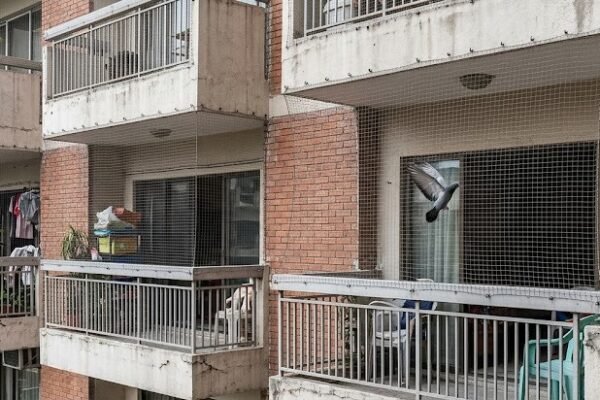

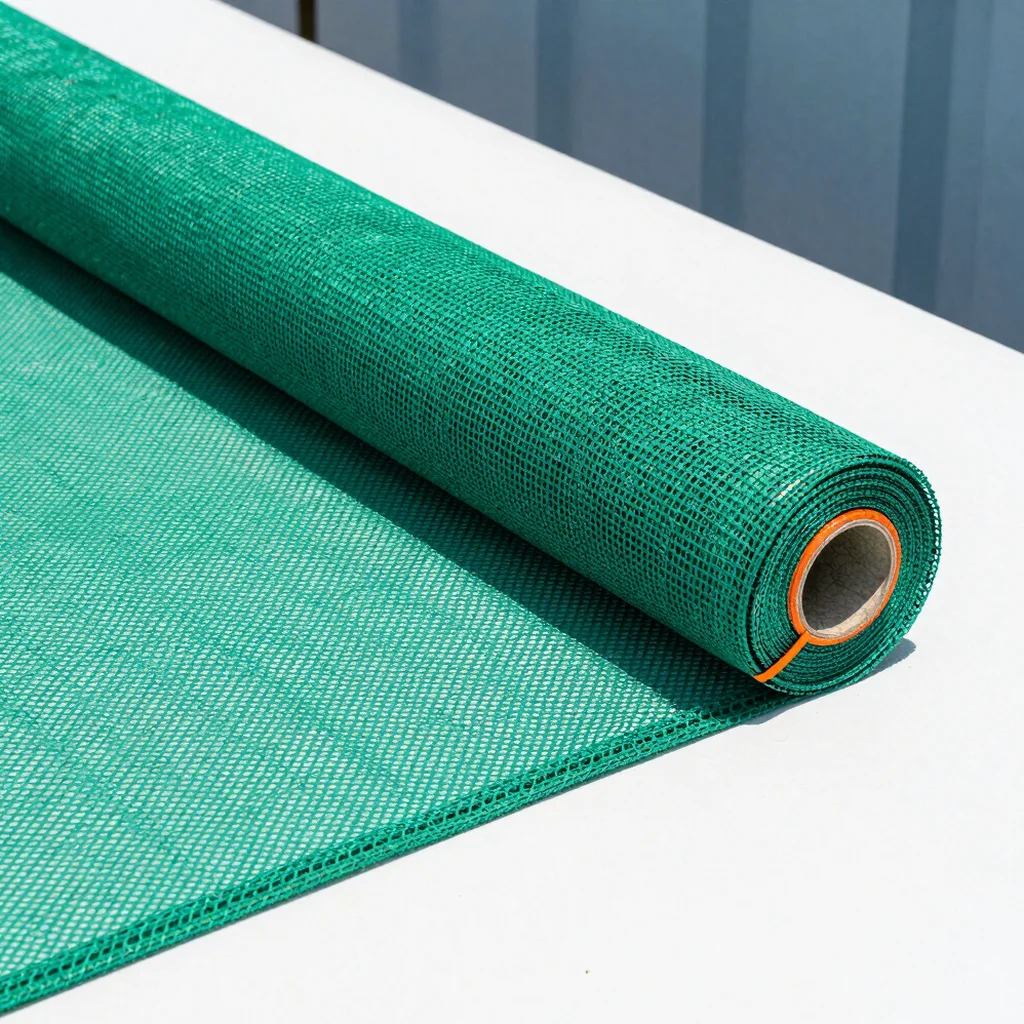
[…] you’d like to compare this against expected costs before reaching out, our price guide breaks down what typically affects the final number for balconies, terraces, and larger commercial […]
[…] nesting problem and want to understand your options, our DIY vs professional installation guide and pricing guide are good next steps to read alongside this […]